
Hisense Refrigerator Ventilation Clearance in Kenya: Cabinet and Kitchen Planning

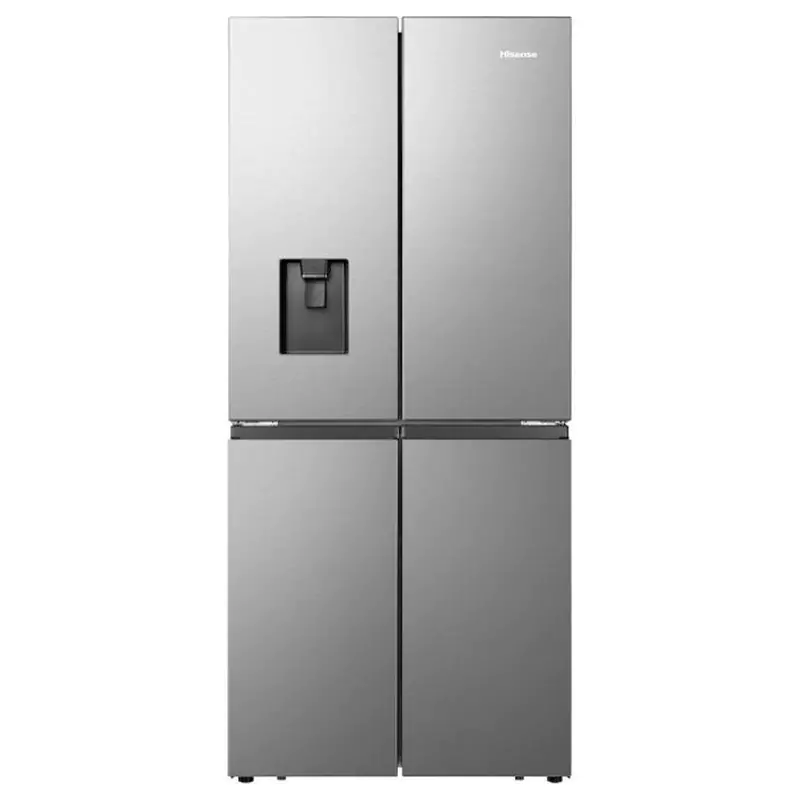
A refrigerator can fit through a kitchen doorway and still be poorly installed once it reaches its final position. A tight cabinet, blocked rear airflow, direct heat from a cooker or insufficient door swing can make everyday use difficult. This guide explains how to plan the space around a Hisense freestanding refrigerator in a Kenyan kitchen. It does not prescribe one universal clearance: the exact ventilation gaps and installation limits must come from the manual for the model you are buying.
1. Measure the full installation space, not just the fridge body
Measure the niche width, height and depth at several points. Walls and cabinets are not always perfectly square. Include handles, hinges, door projection, water-dispenser access where fitted, and the space needed to open doors and pull out drawers. Check the route from the entrance to the kitchen as well: corridor turns, staircases and lift doors can be tighter than the final opening.
Do not size a cabinet to the appliance’s headline width alone. Add the ventilation clearance specified by the exact model manual, plus room for the power cord and any water connection where the model uses one. A refrigerator that fits only when pushed hard against a wall is not necessarily correctly installed.
2. Preserve the manufacturer’s airflow clearances
Freestanding refrigerators need the airflow path designed by the manufacturer. Depending on the model, air may circulate around the sides, rear, top or a designated grille. Blocking that path with a cabinet panel, stacked boxes, curtains or cleaning cloths can interfere with heat release. Do not assume that a gap used for a different Hisense fridge is correct for your model.
Before building or modifying cabinetry, obtain the installation diagram or owner’s manual for the exact model suffix. If the manual specifies a minimum top, rear or side clearance, treat it as a requirement rather than an optional styling preference. If the documentation is unclear, ask the retailer or an authorised service provider before enclosing the appliance.
3. Keep the refrigerator away from avoidable heat sources
Where the kitchen layout allows, avoid placing the refrigerator directly beside an oven, cooker, hot-water appliance or a window with strong direct sun. If the appliance must be near a heat source, follow the manual’s separation and insulation instructions. Do not add improvised foam, foil or boards around the refrigerator to create a barrier; an incorrect modification can block ventilation or create a safety issue.
4. Check door swing, drawers and dispenser access
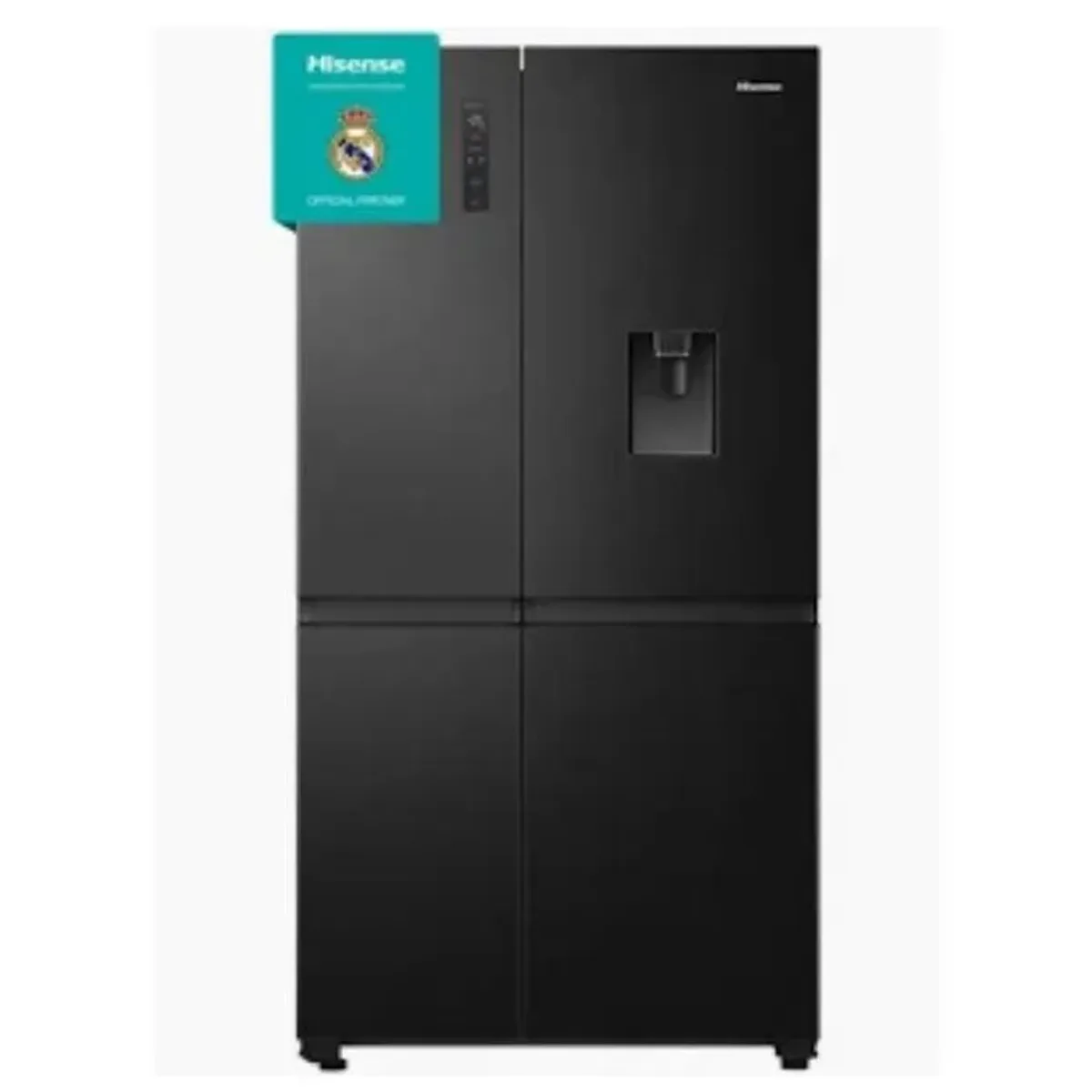
Open every door fully and test the drawers and shelves before finalising the cabinet layout. Four-door and side-by-side models need enough lateral space for both doors and enough forward clearance for drawers to slide out. A water dispenser or ice feature, where fitted, also needs user access and may have specific water-supply requirements.
5. Plan the electrical connection safely
Use a properly earthed socket and follow the electrical requirements in the manual. Make sure the plug can be reached without pulling the refrigerator out by its door. Do not trap the cable behind the cabinet or run it where it can be crushed. Avoid improvised extension leads or overloaded multi-plugs. If the socket location, earthing or circuit condition is uncertain, have a qualified electrician check it before installation.
6. Level the refrigerator and leave service access
Place the refrigerator on a firm, level floor and adjust the levelling feet only as the instructions describe. A unit that rocks or leans can cause doors to close poorly or drawers to slide. Keep the area around the plug, water shut-off point if applicable, and service panels accessible. Do not permanently seal the appliance into a cabinet if it must be moved for routine maintenance.
Hisense refrigerator models to compare
- Hisense REF470DR 470L four-door refrigerator — confirm dimensions, door swing and the installation diagram for this exact model.
- Hisense REF558DR 541L side-by-side refrigerator — check the space needed for both doors and internal drawers.
- Hisense REF668DR 549L refrigerator — verify the current listing and model-specific fit requirements.
For delivery route measurements, see Hisense fridge delivery and doorway clearance. For first placement and initial operation, read the Hisense fridge first-start checklist. For storage capacity, compare gross and net refrigerator capacity.
Before the installer leaves
- Confirm the exact model code on the appliance and delivery paperwork.
- Compare the installed gaps with the model’s manual, not a generic online measurement.
- Open every door and drawer fully and check for cabinet collisions.
- Confirm the refrigerator is level and stable.
- Check that the plug, ventilation areas and any water connection remain accessible.
- Keep the manual and warranty documents for future service.
Frequently asked questions
How much space should I leave behind a Hisense fridge?
Use the minimum clearance shown in the installation diagram for the exact model. There is no safe universal number for every Hisense refrigerator.
Can I put a freestanding Hisense fridge inside a closed cabinet?
Only if the model’s installation instructions allow the proposed enclosure and provide a suitable airflow design. Do not assume a freestanding refrigerator is designed for a sealed cabinet.
Can a refrigerator sit next to a cooker?
Follow the model manual’s heat-source separation requirements. Where possible, avoid direct heat and strong sunlight.
Why should I leave space above the fridge?
Some models use top or side areas for ventilation. The installation diagram identifies the required clearances for that appliance.
Do four-door fridges need more side clearance?
They may need extra space for door swing and drawer access. Check the door-opening diagram and measure the actual kitchen layout.
Can I use an extension cable for my refrigerator?
Follow the manual’s electrical instructions and use a properly earthed outlet. Have an electrician assess the socket if the connection is unsuitable rather than improvising with an overloaded extension.
What if my kitchen cabinet has already been built too tightly?
Do not force the refrigerator into the opening or block the ventilation path. Have the installer or cabinet maker compare the opening with the exact model’s installation requirements before use.
Where can I buy Hisense refrigerators in Nairobi?
Compare the linked Infinite Tech listings and confirm the exact model, current availability, warranty and delivery arrangements before ordering.
Important: The catalogue links identify models for comparison; they do not replace the manufacturer’s installation instructions. Verify the precise model suffix and manual before cabinetry, electrical or water-connection work.
