
Hisense Fridge First Start in Kenya: Levelling, Settling Time and Temperature Checks

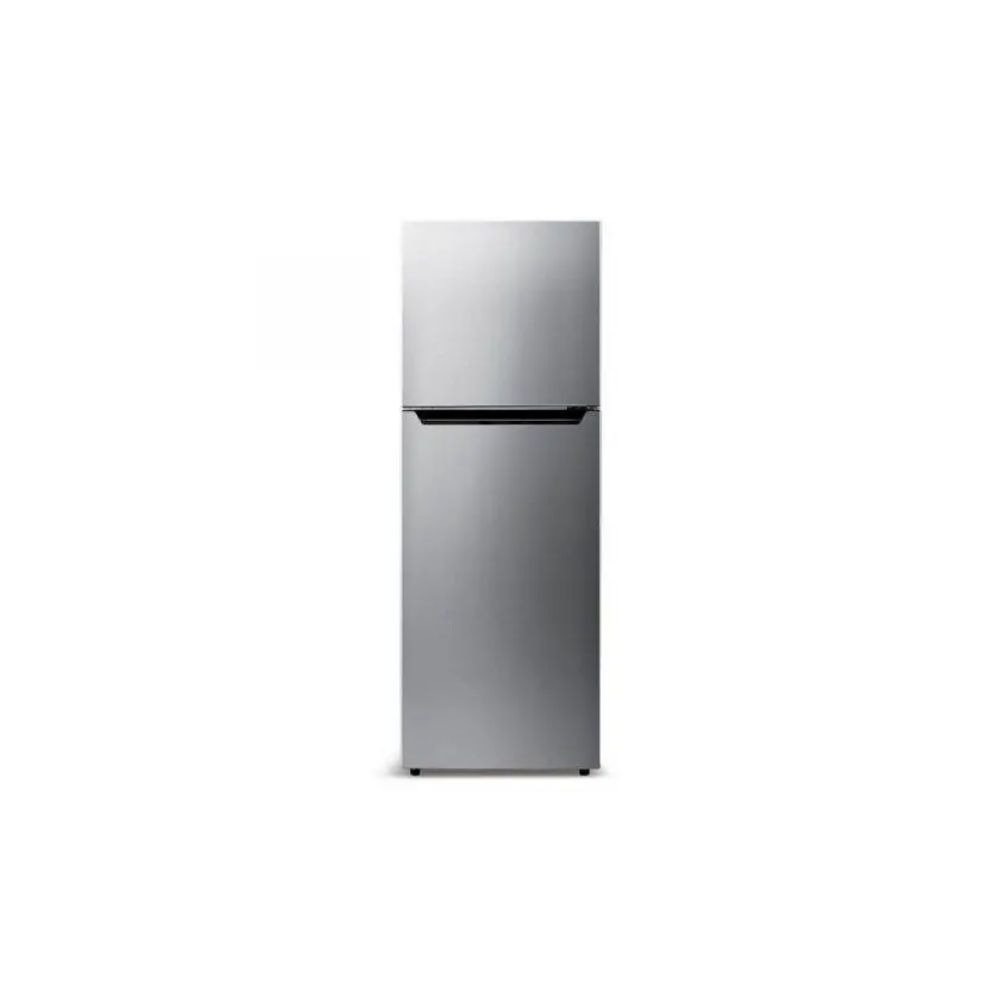
A new refrigerator should be installed carefully before it is loaded with groceries. For a Hisense fridge in a Nairobi apartment, family kitchen or shop, the first-start process is about giving the appliance a suitable location, following the exact model manual and checking that it is cooling normally. There is no single settling-time rule that should be applied to every refrigerator: the correct instruction can depend on how the unit was transported and the model manufacturer’s guidance.
1. Inspect the fridge before removing the packaging
Check the cabinet, doors, handles, shelves and power cable for visible transport damage. Confirm that the model number on the appliance matches the delivery paperwork. If a door is misaligned, a panel is dented or the cable is damaged, photograph the issue and contact the seller before connecting power. Do not attempt to repair a damaged electrical lead yourself.
2. Choose the final position before switching on
Measure the route into the kitchen and the final space, including door swing and access to drawers. Leave the ventilation clearances stated in the user manual; do not push the refrigerator tightly against walls or enclose it in cabinetry unless the model is designed for that installation. Keep it away from direct heat sources and prolonged strong sunlight. A crowded corner can make heat rejection harder and complicate servicing.
Place the fridge on a firm, level floor. Adjust the levelling feet according to the manual so the cabinet is stable and the doors close correctly. Avoid using loose cardboard or improvised wedges as permanent supports. If the floor is uneven, have the installation assessed rather than forcing the cabinet into position.
3. Follow the model-specific settling instruction
Before plugging in, check the Hisense manual or the installation instructions supplied with the exact model. Transport orientation matters: a unit carried upright may have different handling advice from one that was tilted or laid on its side. Do not assume that every model needs the same waiting period, and do not rely on a generic internet rule when the manufacturer’s instructions are available. If the delivery team cannot confirm how the unit was transported, ask the retailer or Hisense support for model-specific guidance.
4. Check the electrical supply safely
Use a sound, properly earthed outlet that meets the appliance’s rating and local electrical requirements. Avoid overloaded multi-plug adaptors and damaged extension leads. If the socket is loose, hot, sparking or lacks a proper earth, leave the appliance disconnected and contact a qualified electrician. Do not alter the plug or bypass protective devices.
5. Allow cooling to stabilise before loading food
Once the manual’s start-up instructions have been followed, allow the refrigerator to reach a stable operating temperature before filling it with perishable food. Avoid loading it with large quantities of warm groceries immediately. Use a suitable refrigerator thermometer if you want an independent check rather than judging cooling by touch alone. Follow the food-safety guidance relevant to the foods you store and use the manual to select the recommended control setting.
After the first day of operation, check that the doors seal evenly, the cabinet is stable and there is no water collecting where it should not. Some operating sounds and changes in motor activity can occur as the appliance cycles, but persistent unusual noise, burning smells, repeated power trips or poor cooling need professional assessment.
Common first-start mistakes
- Plugging in immediately without checking the transport and settling instructions.
- Blocking the ventilation spaces or placing the fridge beside a strong heat source.
- Using an unsafe extension lead or an overloaded socket.
- Loading the fridge heavily before it has cooled and stabilised.
- Changing settings repeatedly instead of allowing the unit to settle and checking the temperature properly.
Frequently asked questions
How long should a Hisense fridge stand before switching on?
Use the instructions for the exact model and its transport orientation. Do not apply one fixed waiting time to every refrigerator.
Can I plug it in as soon as it reaches my house?
Only after you have followed the model’s transport, placement and settling instructions. Ask the retailer if the delivery handling is unclear.
Should the fridge be perfectly level?
It should be stable and adjusted as directed in the manual. Correct levelling helps the doors operate and close as intended.
Can I put food inside immediately?
Wait until the appliance has reached a stable operating temperature. Use a thermometer and follow food-safety guidance for perishables.
What if the fridge is running but not cooling?
Check that the controls are set correctly, ventilation is not blocked and the doors close fully. If cooling does not improve within the model’s stated start-up period, contact the retailer or an authorised technician.
Related Hisense guides
Before delivery, read our Hisense fridge delivery and doorway-clearance guide. For ongoing operation, see Hisense fridge temperature settings and thermometer checks and our power-outage food-safety checklist. Explore more appliance advice in the Home Appliances Knowledge Centre.
Model-specific installation and electrical instructions take precedence over this general guide. Infinite Tech can help you confirm the listed model and current product details before purchase.
