
Hisense Washing Machine Drain Hose Setup in Kenya: Height, Kinks and Siphoning

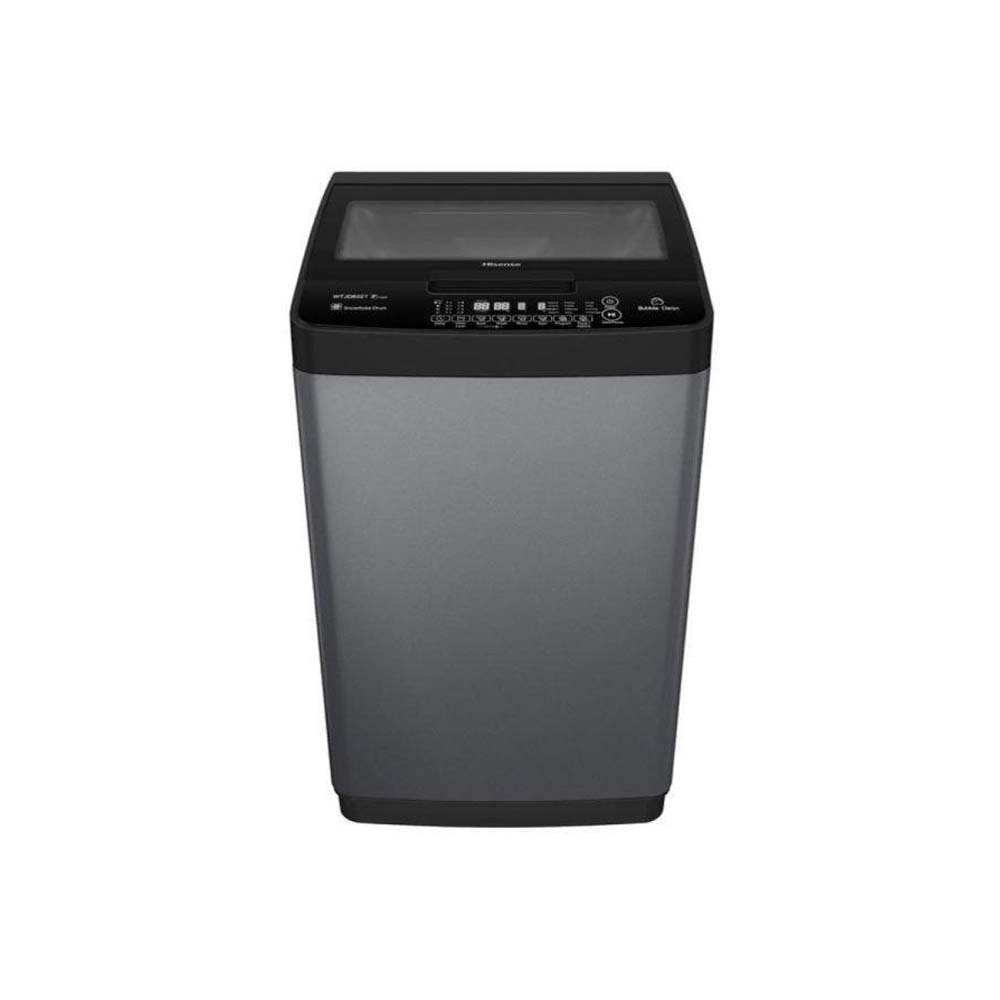
A washing machine can fill normally and still fail to wash or drain properly if its drain hose is routed incorrectly. In apartments and homes around Nairobi, the outlet may be a standpipe, a dedicated laundry drain or a sink connection. The correct arrangement depends on the exact Hisense model and the plumbing at the property, so use the manual’s hose-height and connection requirements rather than copying a measurement from another machine.
Start with the model manual and the supplied hose
Identify the full model code from the rating label and find the matching installation instructions. Check the permitted drain-hose height, insertion depth, hose extension rules and any supplied retaining clip or guide. Different models can have different requirements. Do not assume that a hose accessory from another washer will fit safely.
Choose a suitable drain point
The drain should be able to accept the machine’s discharge without backing up or overflowing. A properly sized standpipe or an approved sink connection is preferable to an improvised arrangement that leaves the hose loose. The hose must be secured so that it cannot jump out when the pump starts. If the drain is slow, smells strongly of sewage or backs up during discharge, have the plumbing checked before using the washer.
Route the hose without kinks or sharp bends
Keep the hose free of twists, crushing and sharp bends behind the appliance. Leave enough slack for normal vibration and servicing, but do not coil excess hose in a way that traps water or restricts flow. Check that the machine is not pressing the hose against the wall. If an extension is proposed, confirm that the manufacturer permits it and specifies the correct accessory; an improvised extension can increase the risk of poor drainage or leaks.
Understand siphoning and continuous draining
If the drain hose is installed too low or inserted too far into a sealed drain connection, water may flow out when the machine is supposed to be filling. This is often described as siphoning. The washer may repeatedly refill, take too long to complete a cycle or show a water-level or drain-related error. The correct fix is to restore the hose arrangement specified in the model manual, not to block the hose or seal the drain airtight.
Check for leaks before pushing the washer back
- Confirm that the hose is firmly attached at the machine outlet and secured at the drain point.
- Inspect the full visible hose length for splits, abrasion, kinks or crushing.
- Make sure the standpipe or sink drain is not already blocked.
- Run a short rinse or drain test while observing the connection points.
- Check the floor and the rear of the washer for drips before returning the appliance to its final position.
Keep hands away from moving parts and electrical connections. If water reaches the plug or socket, do not touch the wet area; isolate power only if it is safe to do so and call a qualified professional. A persistent leak, damaged hose or pump fault should be handled by an authorised technician.
Symptoms and sensible next checks
- Water drains while the machine is filling: check the hose height and insertion arrangement against the manual; siphoning may be occurring.
- Water remains in the drum: inspect the visible hose for kinks and check whether the household drain is blocked. Do not open electrical or pump components without service guidance.
- Water spills at the standpipe: the drain may be restricted or unable to accept the discharge rate. Ask a plumber to assess it.
- Hose slips out: use the supplied retaining guide or a model-approved secure fixing.
- Repeated drain errors: record the exact code and model number, then consult the manual or service provider.
Frequently asked questions
How high should a Hisense washing-machine drain hose be?
Use the height range printed in the installation manual for your exact model. There is no safe universal measurement for every Hisense washer.
Can I push the hose deep into the drainpipe?
No. Follow the specified insertion depth and air-gap arrangement. An overly deep or sealed connection can contribute to siphoning.
Can I extend the drain hose?
Only if the manufacturer permits the extension and the correct accessory and limits are followed.
Why does the washer keep filling and draining?
Incorrect hose height or insertion can cause siphoning. A water-level fault or plumbing problem can also be responsible, so check the installation first and seek service if it continues.
Can I use the sink drain?
Only if the model instructions permit that connection and the plumbing can accept the discharge without leaks or backflow.
Related Hisense washing-machine guides
For the broader installation process, read Hisense washing-machine installation in Nairobi. You can also review safe washing-machine error-code checks and washer vibration and spin troubleshooting. Visit the Home Appliances Knowledge Centre for more buying and ownership advice.
Do not alter plumbing, wiring or internal washer components unless you are qualified. Always follow the exact model’s installation manual.
