
How to Inspect and Clean a Hisense Refrigerator Door Seal in Kenya

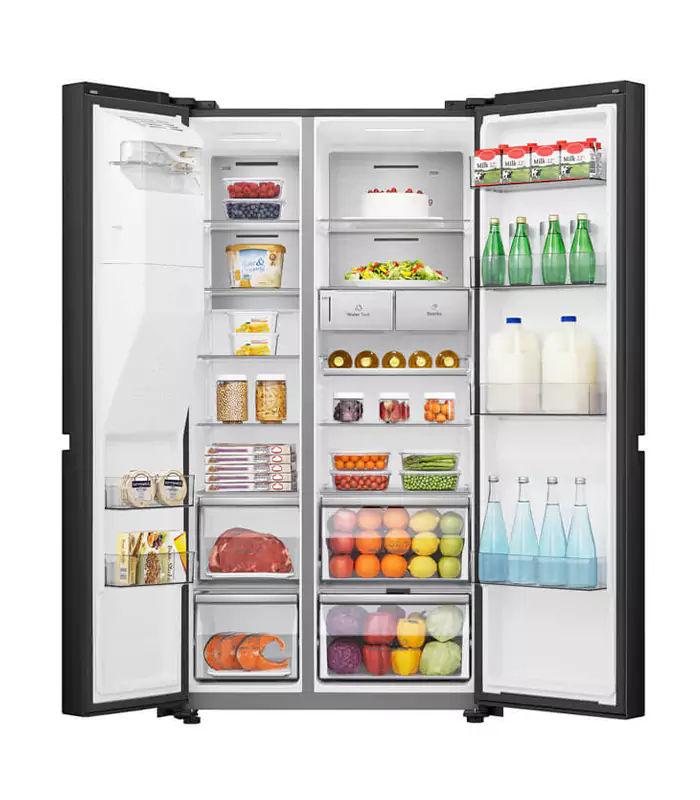
The flexible seal around a refrigerator door helps limit warm air entering the cabinet. If it is dirty, trapped behind packaging, torn or no longer contacting the cabinet evenly, the refrigerator may struggle to maintain stable conditions. A damaged seal can also contribute to condensation around the door and longer running periods. This guide explains safe visual checks and gentle cleaning for Hisense refrigerators in Kenyan homes. It is not a repair manual and does not provide model-specific gasket replacement instructions.
1. Inspect the full door perimeter
With the refrigerator door open, look along the entire flexible gasket. Check for food residue, sticky spills, dust, visible splits, hard or flattened areas and sections that have pulled away from their channel. Look especially at the corners and hinge side, where a door may not close evenly. Do not pull the gasket out of its groove or use a sharp object to lift dirt.
2. Clean with a gentle method
Use a soft cloth dampened with lukewarm water and a small amount of mild dishwashing liquid. Wipe the accessible gasket folds and the matching cabinet surface, then remove soap residue with a clean damp cloth. Dry the area with a soft towel before closing the door. Avoid abrasive pads, concentrated bleach, solvents, petrol, strong degreasers and sharp tools; these can damage flexible materials or leave residues. Follow any different cleaning method stated in the model manual.
3. Check whether something is preventing the door from closing
A door that appears to have a bad seal may simply be obstructed. Check that bottles, shelves, drawers and food containers are seated correctly and do not protrude beyond the door line. Avoid overfilling door bins or forcing a drawer closed against a package. Confirm the refrigerator is positioned and level as the manual requires; a badly adjusted cabinet or hinge can affect door alignment.
4. Use a simple paper check cautiously
As a rough screening check, place a narrow strip of ordinary paper between the gasket and cabinet, close the door and gently pull. Repeat at several points around the perimeter. If the paper slips out very easily at one location but is held elsewhere, that area may deserve closer inspection. This is not a calibrated leak test: paper thickness, door design and gasket geometry vary. Do not use the result alone to diagnose a fault or order a replacement part.
5. Watch for signs of poor sealing
Possible warning signs include repeated moisture around one edge, visible gaps, a torn gasket, the door springing open, persistent frost in an unexpected location or the appliance running unusually often. These symptoms can also have other causes, including room temperature, blocked airflow, frequent door openings, temperature settings or a refrigeration fault. Record what you observe rather than assuming the gasket is the only cause.
6. Know when not to attempt a repair
If the gasket is split, detached, badly deformed or does not seat correctly after gentle cleaning, ask a qualified service provider to identify the correct replacement for the exact model and serial number. Gaskets can look similar while having different profiles or fixing methods. Do not glue a torn seal, heat it with a hair dryer, cut it to size or stretch it into place unless the manufacturer specifically instructs this procedure. Do not remove door panels or work around wiring and hinges without the correct service instructions.
Routine care checklist
- Wipe spills promptly before residue hardens in the seal folds.
- Inspect the corners and hinge side during normal cleaning.
- Keep shelves and door bins arranged so the door closes freely.
- Dry the gasket after cleaning and check that it sits evenly.
- Note recurring condensation, frost or temperature changes.
- Keep the model and serial number available when requesting a service part.
Frequently asked questions
How often should I clean a Hisense fridge door seal?
Include it in routine refrigerator cleaning and wipe spills when they occur. The frequency depends on household use and the manufacturer’s care instructions.
Can I use bleach on the gasket?
Use the cleaning method in the model manual. Mild soapy water and a soft cloth are a gentle general starting point; avoid concentrated chemicals and abrasive tools.
Can a dirty gasket make a fridge run more often?
It may contribute if dirt prevents proper contact, but frequent running can have several causes. Check the door, airflow, loading and settings before assuming a seal fault.
Why is there water near the refrigerator door?
Condensation may be related to warm humid air, door openings, poor sealing or drainage. Identify where the water appears and seek service if it persists or reaches electrical components.
Can I replace the gasket myself?
Only if the manufacturer provides a user-replaceable procedure for the exact model and you can follow it safely. Otherwise use qualified service support.
Will the paper test prove the gasket is faulty?
No. It is a rough check only. A technician may need to assess door alignment, gasket condition and other cooling-system factors.
Should I heat a stiff gasket to reshape it?
Do not apply concentrated heat unless the exact manufacturer procedure instructs it. Heat can deform the material or damage nearby components.
What information should I provide when ordering a replacement?
Provide the full model code, serial number and a clear photo of the existing gasket and door. The correct part must be matched to the exact unit.
Compare a Hisense refrigerator at Infinite Tech
Infinite Tech lists the Hisense REF628DR 628L side-by-side refrigerator. Check the live listing for current price and availability, and use the supplied unit’s manual for cleaning, door alignment and service instructions. For more refrigeration advice, visit the Hisense Knowledge Centre and the refrigerator ventilation and kitchen-planning guide.
Care note: This article covers routine external inspection only. Do not dismantle doors, repair hinges or work on electrical or sealed refrigeration components yourself.

One thought on “How to Inspect and Clean a Hisense Refrigerator Door Seal in Kenya”
Comments are closed.