
Google Fitbit Air vs Fitbit Edge in Kenya: Screenless vs Display Tracker

Google Fitbit Air vs Fitbit Edge in Kenya: Screenless vs Display Tracker
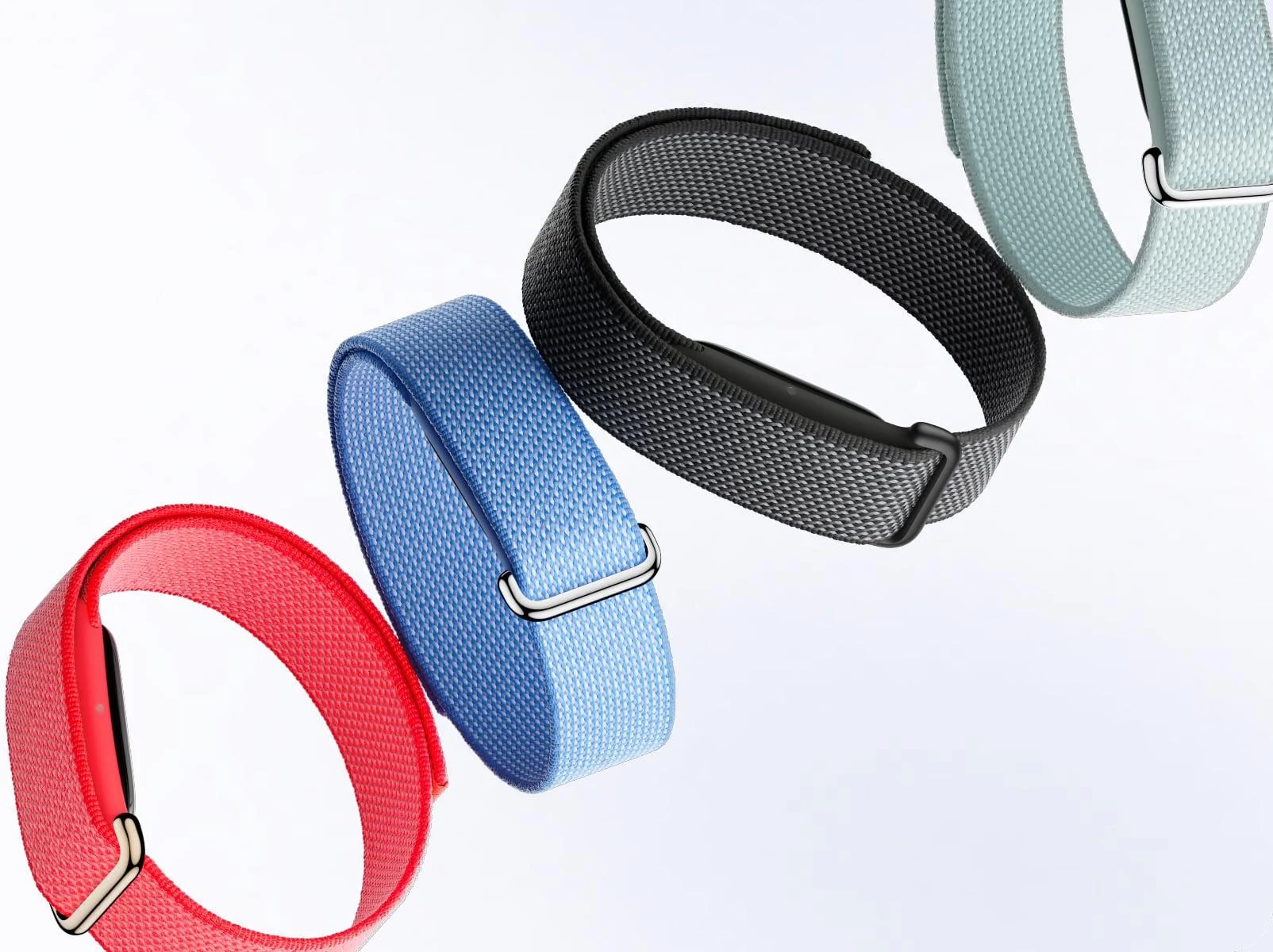
Google Fitbit Air and Fitbit Edge are designed for people who want fitness and sleep information without wearing a full-size smartwatch. But their interaction models are different: Fitbit Air is deliberately screenless, while Fitbit Edge provides a glanceable on-wrist display and tactile button. Both feed into Google’s health ecosystem. For a Kenyan buyer, the choice should reflect whether you want notifications and at-a-glance metrics or a less distracting tracker worn during sleep.
Compare the full model names and live WooCommerce prices rather than relying on a reseller’s dated price list. All linked products are offered by Infinite Tech in Nairobi, subject to confirmed colour and stock.
Manufacturer specification comparison
| Attribute | First product | Second product |
|---|---|---|
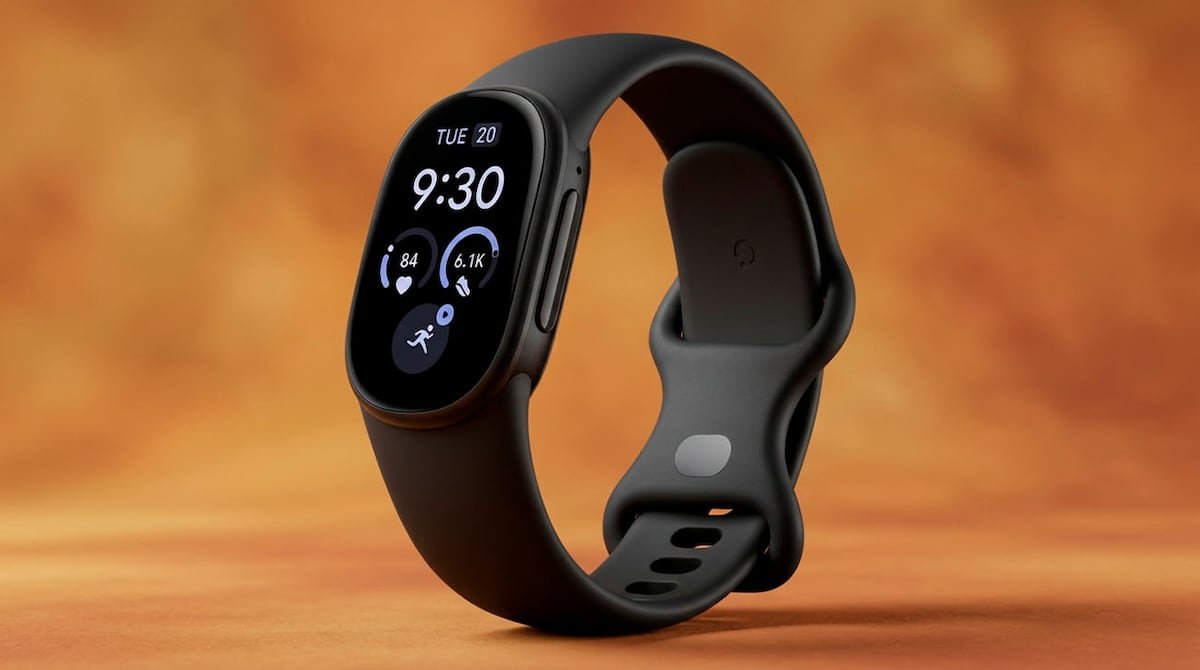
| Screen | No screen; use phone app | Hybrid OLED display |
| Primary style | Minimal screenless wrist tracker | Slim, glanceable fitness band |
| Battery claim | Up to one week under Google conditions | Up to one week under Google conditions |
| Health ecosystem | Google Health and Health Coach | Google Health and Health Coach |
| Interaction | Phone-first interface | On-device glanceable tiles and physical button |
| Focus | Quiet 24/7 sleep and activity tracking | Daily fitness interactions without a full smartwatch |
What matters before you choose
A screen changes how you use a tracker
With Fitbit Air, you check detailed insights later on your phone. That is good for people who want fewer distractions or do not need to glance at exercise metrics mid-session. Fitbit Edge adds a screen and controls for more immediate interaction. It still occupies a different category from a larger Pixel Watch with apps, microphone and smartphone-style functions.
Sleep tracking and comfort
Both aim to be comfortable enough for regular wear, including sleep. Google emphasizes Fitbit Air’s tiny screenless body; Edge uses a slim curved case. No wearable guarantees accurate sleep staging on every night, and consumer sensor information should be interpreted as trends rather than medical diagnoses.
Battery and charging
Google describes up to a week for the two product families, but battery tests, background monitoring, display use and alerts can differ. Do not assume Edge lasts less just because it has a screen, or that Air always lasts seven days for every user. Compare actual manufacturer test conditions and charging accessories.
Regional health services and memberships
Some advanced Google Health Coach features are associated with Google Health Premium and may vary by country. ECG, irregular rhythm and similar features can be restricted by local approvals or hardware support. Verify the exact service availability before paying for the device or a subscription in Kenya.
Buying checklist for Kenya
- Choose Fitbit Air for the simplest screenless experience and a phone-first health dashboard.
- Choose Fitbit Edge when you want time, activity and progress information on your wrist.
- For full apps, GPS and more smartwatch interaction, compare Pixel Watch 5.
- Ask Infinite Tech about genuine band fit, available finish and applicable warranty.
Shop and compare
Visit Infinite Tech, Rehema House, Standard Street, Nairobi CBD, or call 0720450148 for variant, stock and delivery confirmation.
Frequently asked questions
Can Fitbit Air show message notifications on its screen?
No. Fitbit Air is designed without a screen. Its detailed data is viewed through Google Health on a compatible phone.
Is Fitbit Edge a Pixel Watch replacement?
Not exactly. Edge is a lightweight fitness tracker, while Pixel Watch is a more capable smartwatch with a broader range of apps and interactions.
Will all Google Health features work in Kenya?
Some features are subject to regional, account and membership restrictions. Always verify eligibility on Google’s official support pages.