
Hisense Commercial Display Freezer Stock Rotation: Retail Cold-Chain Planning

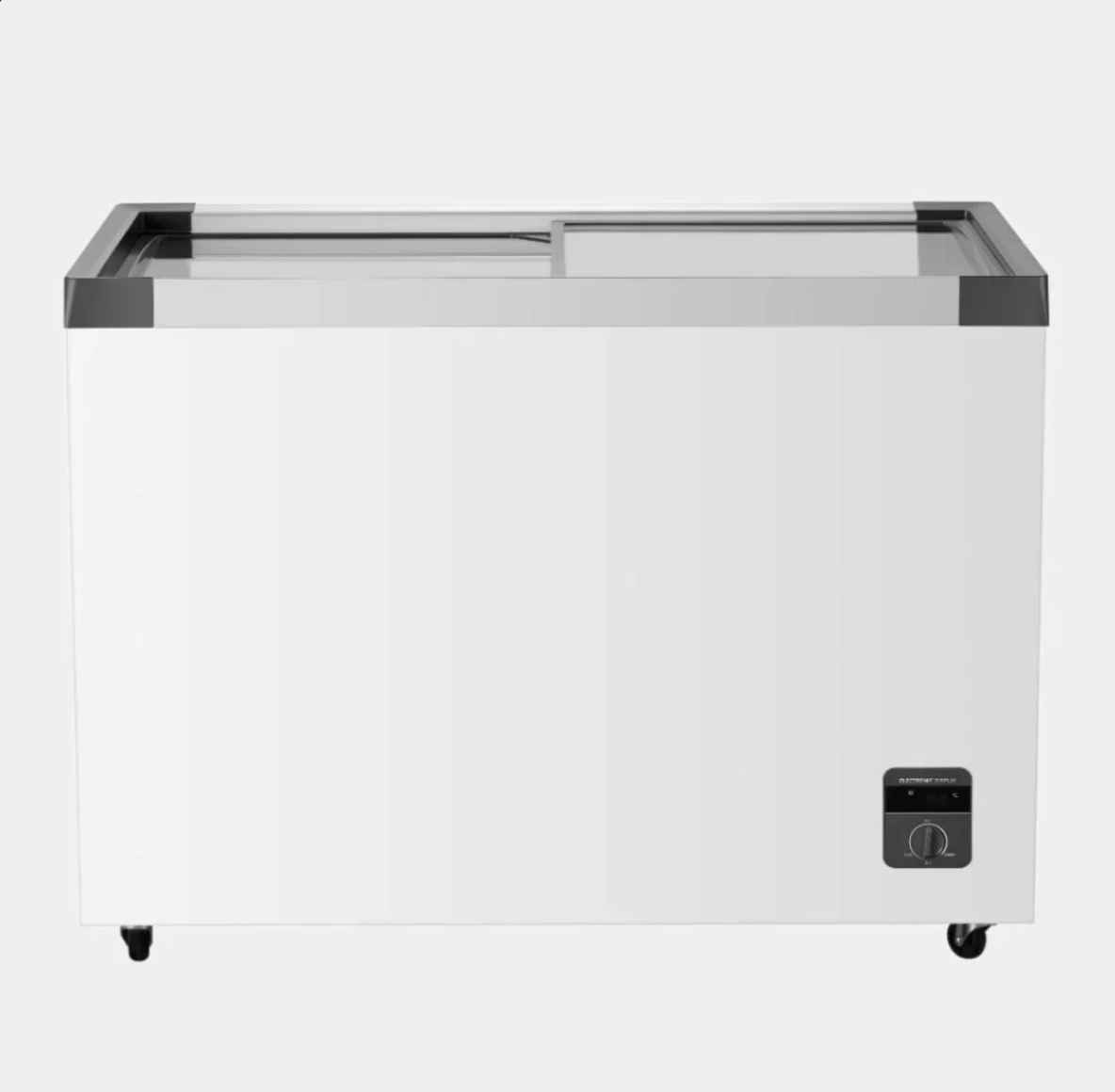
A display freezer should support safe product storage as well as merchandising. Before buying the SD-301 or FC29DD4SB, establish the frozen products’ required temperatures, stock turnover and actual cabinet operating range.
Design a stock rotation routine
Record deliveries, date markings, package condition and storage requirements. Arrange older stock for sale first where expiry and product condition permit, and keep dates visible to staff. Do not block required air paths or load above the manufacturer’s permitted limits.
Choose capacity from package dimensions
Measure the product boxes or tubs and estimate the peak number held between deliveries. Leave room for safe access and rotation. The listed litres do not translate directly into a universal number of packages. Request a usable internal layout and basket measurements.
Temperature monitoring and contingency
Use suitable calibrated temperature monitoring for the products and business requirements. Document readings and actions following deviations. Have a plan for transferring stock to approved cold storage if the freezer fails. Do not assume a display lid or a full cabinet guarantees safe temperatures during an outage.
Compare equipment and service
Ask for the exact temperature range, ambient climate class, defrost method and service availability. Include electricity, maintenance and possible stock loss in the business case. The SD-301 versus FC29DD4SB guide compares the two catalogue models.
Read more in the Hisense Knowledge Centre. Confirm the exact regional model, physical stock, live selling price and local warranty before ordering. This is an independent retail guide, not a claim of hands-on testing.
