
Hisense Fridge During a Power Outage in Kenya: Food Safety and Restart Checklist

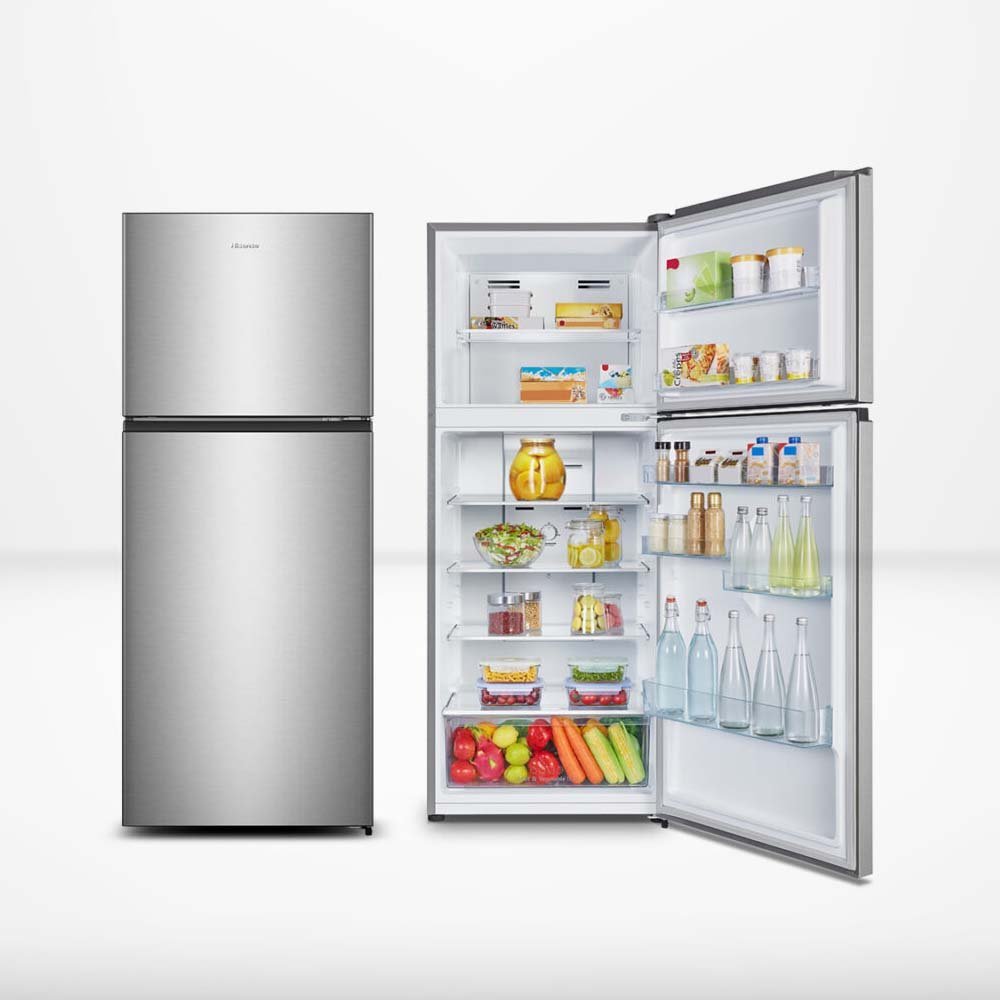
During a power interruption, refrigerator insulation slows warming but cannot guarantee food safety for an unlimited period. Keep doors closed as much as possible and follow the instructions for the actual appliance. A thermometer and recorded outage duration are more useful than guessing from the exterior temperature.
Before and during an outage
Keep a refrigerator thermometer available, maintain suitable storage temperatures and plan a backup cold-storage option for extended interruptions. Avoid unnecessary door opening. For general household guidance, FoodSafety.gov describes an unopened refrigerator’s approximate four-hour food-safety window during an outage and provides separate guidance for frozen foods. Actual conditions vary; this is not a Hisense model guarantee.
Decide what can be kept
Use the food-specific safety chart and known time-temperature history. Perishable foods that have warmed beyond safe limits may need to be discarded. Do not taste food to establish safety. Commercial operators should follow applicable food safety requirements and their documented cold-chain procedures.
Restart checks
Follow the appliance manufacturer’s restart instructions and verify temperatures before restocking. If the unit fails to cool, repeatedly trips protection or shows electrical damage, seek qualified service. Do not improvise electrical wiring or connect an unsuitable backup supply.
Before purchasing backup equipment
Compare actual input and starting requirements on the exact fridge, not just capacity. The REF418DR and REF441DR are different configurations. For everyday temperature checks see the refrigerator temperature guide.
Read more in the Hisense Knowledge Centre. Confirm the exact regional model, physical stock, live selling price and local warranty before ordering. This is an independent retail guide, not a claim of hands-on testing.
