
Hisense Fridge Warm but Freezer Cold in Kenya: Safe Checks

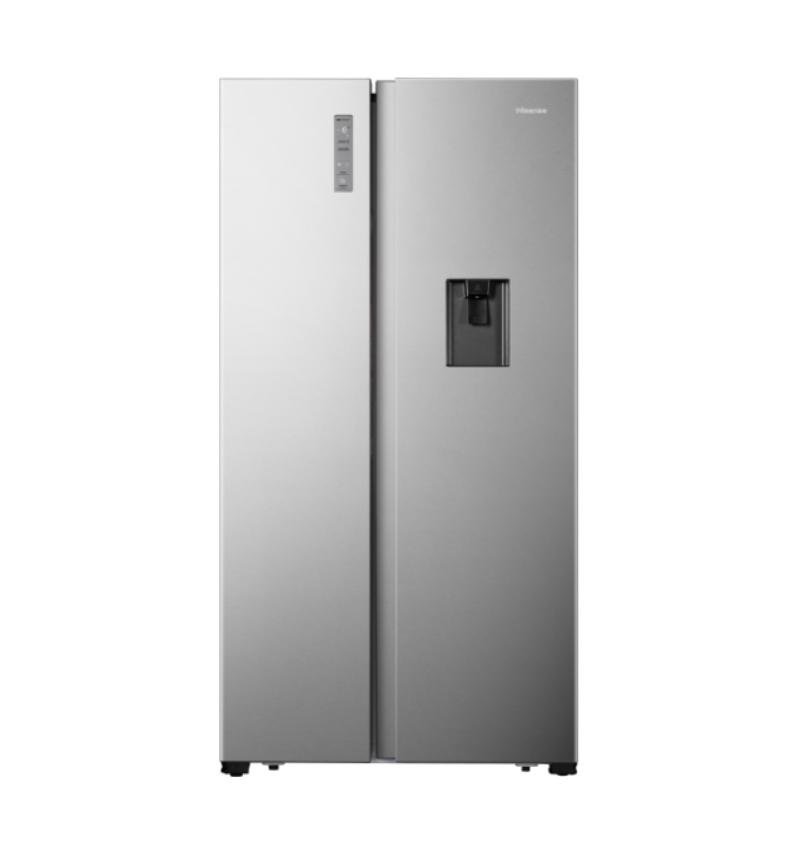
If a Hisense refrigerator’s freezer remains cold but the fresh-food compartment feels warm, the appliance may not be distributing cold air correctly, the refrigerator door may not be sealing, the vents may be blocked, or a control or cooling-system fault may be present. Do not assume that the freezer being cold means all stored food is safe. Use a refrigerator thermometer, protect perishable food and follow the model manual before attempting any maintenance.
1. Measure the refrigerator compartment
Place a suitable appliance thermometer in the fresh-food compartment and allow the reading to stabilise. A hand placed inside is not a reliable temperature test. Record the reading and the time, then compare it with the temperature guidance in your manual. If food has become warm, move vulnerable items to another properly chilled appliance or an insulated cooler while you investigate. When in doubt about food safety, follow recognised food-safety guidance rather than relying on smell or appearance.
2. Check the door and gasket
Look for food containers, shelves or drawers preventing the door from closing fully. Inspect the visible door gasket for dirt, folds, tears or sections pulling away from the cabinet. Clean it gently with a soft cloth and mild soapy water, then dry it. Do not pull, cut, glue or heat the gasket. A poor seal can allow warm, humid room air into the compartment and make temperature control harder.
Our Hisense door-seal inspection guide explains the safe visual checks. Also see the temperature-setting and thermometer guide.
3. Keep internal air passages clear
Many refrigerator designs move cold air between compartments through ducts or vents. Avoid pressing food packets against the rear wall or covering visible air openings. Do not pack shelves so tightly that air cannot circulate around the stored items. If the refrigerator was recently loaded with a large quantity of warm groceries, give it time to recover with the doors closed and monitor the temperature rather than repeatedly opening the doors.
4. Review settings and recent changes
Check that the refrigerator compartment has not been set to a warmer level, switched into a special mode or affected by a recent power interruption. Controls and mode names vary by model. Follow the exact manual when changing settings; avoid extreme adjustments that could freeze fresh food or mask the underlying issue. If the appliance was recently installed or moved, check that it has the ventilation clearance and settling procedure required by its manual. Our first-start guide covers those general checks.
5. Look for signs that need professional attention
Repeated heavy frost, unusual clicking, a fan that appears not to run, persistent temperature alarms, water leaks or a refrigerator that remains warm after the basic checks can indicate a fault. Do not remove interior panels, probe a fan, chip ice from an evaporator or use a hairdryer or heat gun to defrost hidden components. Refrigeration circuits and electrical parts should be handled by qualified technicians.
For a model reference, see the Hisense REF518DR 518L side-by-side refrigerator. Confirm the exact model, current availability and warranty applicable in Kenya before ordering.
Frequently asked questions
Why is the freezer cold but the fridge section warm?
Airflow restrictions, blocked vents, door-seal problems, settings or a component fault may affect the fresh-food compartment differently. A technician may need to inspect the airflow system.
Can overfilling the fridge make it warm?
It can obstruct air passages and slow temperature recovery. Leave the vents clear and avoid tightly packing food against the rear wall.
How do I know whether the fridge is actually too warm?
Use an appliance thermometer and compare the reading with the guidance in the model manual. Touch alone is not accurate enough.
Should I chip away ice behind the back panel?
No. Do not remove panels or use sharp tools or heat on hidden cooling components. Arrange qualified service if heavy frost persists.
Will changing the thermostat to the coldest setting fix it?
Not necessarily. Check the current setting and the manual first. An extreme setting may not correct an airflow or component fault.
When should I call a technician?
Call if the compartment stays warm after checking the seal, loading, vents and settings, or if alarms, leaks, unusual noises or repeated frost occur.
Related Hisense guides
Visit the Hisense Knowledge Centre for refrigerator capacity, installation, temperature and ownership guides.
