

Xiaomi vs Anker Power Banks in Kenya: Model Comparison

Compare Xiaomi and Anker power bank models by stored energy, wired and wireless charging, ports, size and Nairobi prices. A model-by-model guide rather than a generic brand verdict. This guide uses Xiaomi product documentation and current Infinite Tech listings, not unverified firsthand tests.
Models to compare and shop
Infinite Tech price snapshot: 9 November 2026; live WooCommerce product prices take precedence. Confirm physical availability and exact colour.
| Model | Price | Shop |
|---|---|---|
| Xiaomi 20K Integrated – Dark Gray | KSh 4,995 | View price and availability |
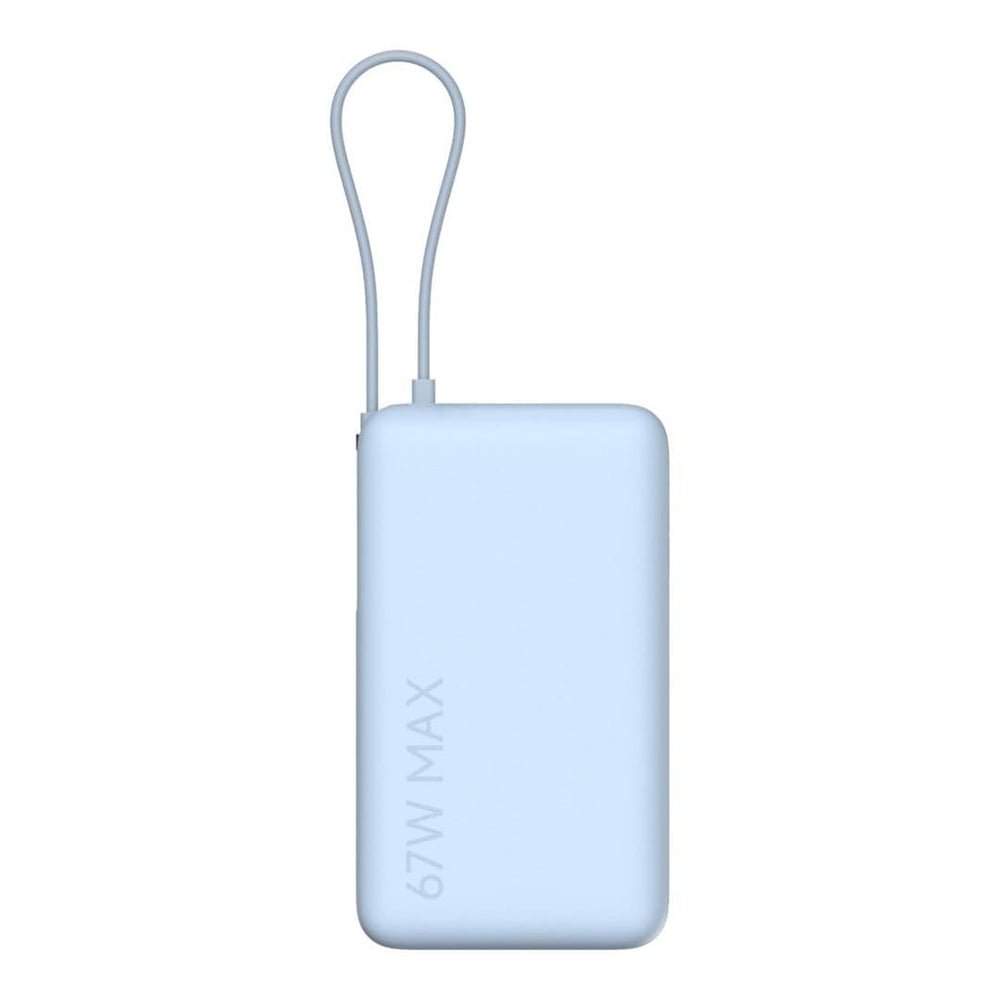
| Xiaomi 67W 10K – Ice Blue | KSh 6,095 | View price and availability |
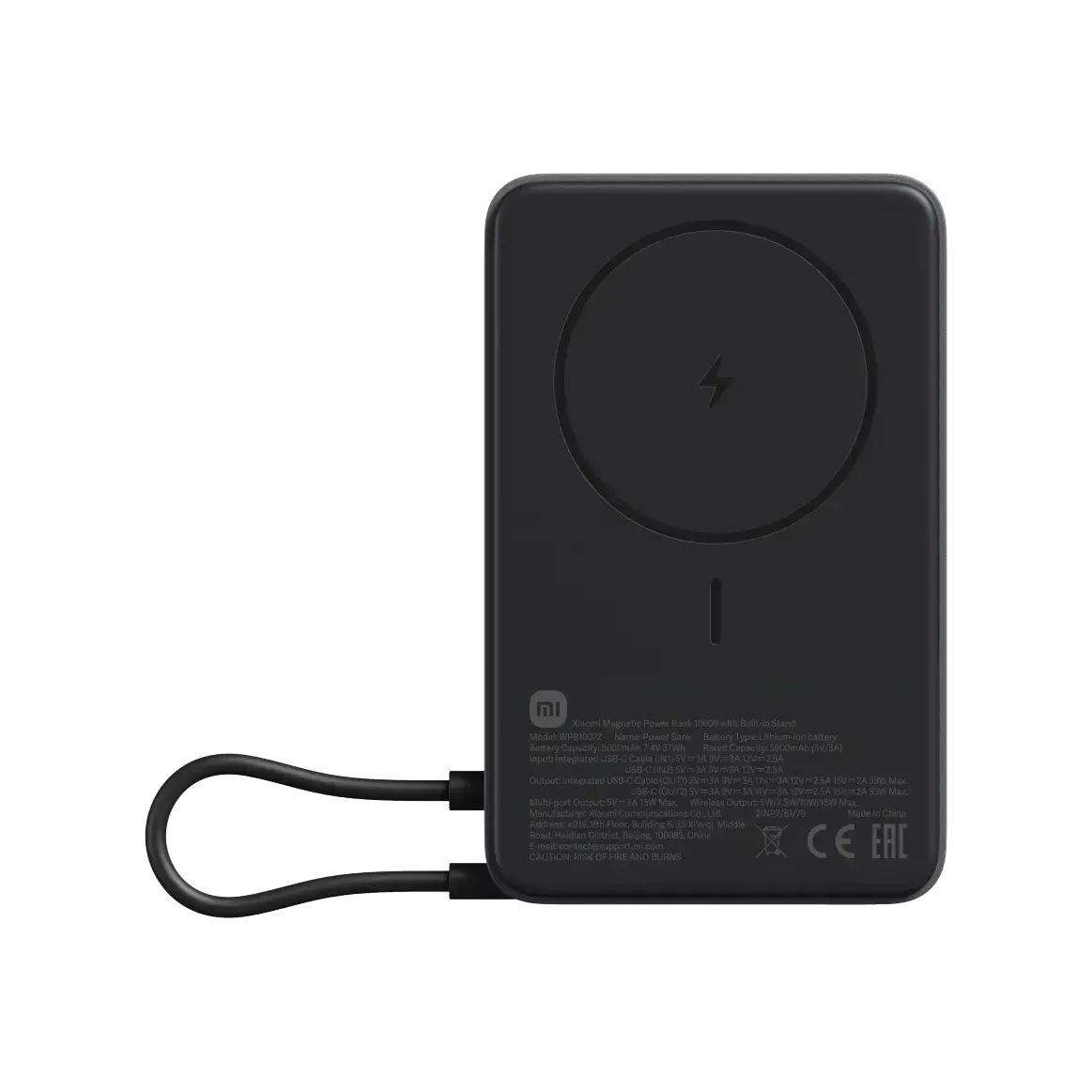
| Xiaomi Magnetic 10K Stand – Gray | KSh 6,995 | View price and availability |
| Xiaomi Magnetic 6K Qi2 | KSh 7,695 | View price and availability |
Why model-to-model comparison matters
There is no defensible single winner between Xiaomi and Anker because both brands sell many products with different price points and power ratings. The Xiaomi 20K Integrated Cable is a relatively affordable high-capacity power bank; Anker’s 20K 30W is another candidate, but its design and ports differ. Xiaomi 67W 10K instead prioritises output power. Anker MagGo 10K models focus on magnetic charging, but their charging standard and output depend on the exact generation. Compare models and supported devices instead of treating a brand reputation as an electrical specification.
Capacity and charging speed are different questions
The Xiaomi 20K stores 74Wh and is rated for up to 22.5W output. The 67W 10K stores 39.48Wh but is designed for faster compatible charging. An Anker 20K 30W may be more similar to the Xiaomi 20K in energy capacity but could offer a different balance of ports and performance. A USB-C device chooses the actual amount of power it accepts; marketing wattage is only a maximum. When buying for a laptop, confirm its USB-C Power Delivery profile rather than assuming any 67W accessory will meet its requirements.
Magnetic charging: verify the wireless standard
Anker MagGo and Xiaomi Magnetic products can both be convenient on supported iPhones, but ‘MagGo’ and ‘Magnetic’ are product family names, not a guarantee of equivalent Qi2 support. Xiaomi’s Magnetic 6K is Qi2-certified, whereas Xiaomi’s Magnetic 10K with stand lists 7.5W magnetic output for supported iPhones. Different Anker generations have different wireless limits. You should inspect exact model codes, certification and which iPhone is supported before paying for an upgraded wireless model.
What do the local prices show?
Infinite Tech currently lists Xiaomi 20K at KSh 4,995 and 67W 10K at KSh 5,995–6,095. The shop’s Anker 20K 30W has also been listed at KSh 6,500, while Anker MagGo 10K may be higher. These dated figures demonstrate different segments, not a controlled quality comparison. Check each current WooCommerce page and whether colour, warranty and cables are included. A lower cost does not necessarily mean a weaker battery cell or a cheaper support package.
Which should a Kenya buyer choose?
Prioritise total energy and an integrated cable if you share a power bank or spend long periods away from electricity. Consider a higher-power unit when your compatible smartphone or tablet truly supports the stated fast-charging output. Consider a Qi2-certified product when certified magnetic wireless performance matters. For any brand, verify original packaging, model code, manufacturer specifications and local warranty before placing an order.
Five checks before choosing Xiaomi or Anker
- Identify your device: note the exact phone, tablet or laptop model and the charging input it supports. Do not assume that a power bank’s maximum advertised wattage will be delivered to every device.
- Compare usable connections: check whether you need USB-C input/output, USB-A, an integrated cable or a separate lead; confirm the cable’s supported charging specification.
- Match capacity to your routine: compare battery energy in watt-hours where published, not just mAh, and allow for normal conversion losses rather than promising a fixed number of full phone charges.
- Check wireless compatibility: for magnetic models, confirm the exact model’s Qi/Qi2 certification, compatible phone or case and supported charging rate; magnetic attachment alone does not establish fast wireless charging.
- Verify the actual offer: open the linked product listing for the live price, colour and stock status; ask about the included cable, warranty and return conditions before paying.
If two models appear equivalent, compare the manufacturer’s exact model number and published port-output table before choosing by brand or advertised peak wattage.
Frequently asked questions
Is Xiaomi always cheaper than Anker?
Not for every model; compare exact product generations and current stock prices.
Which is better for a Samsung Galaxy?
Check USB-C charging protocol and rated device input; the logo on the pack is not decisive.
Are all Anker MagGo products Qi2?
No. Versions vary by model and generation.
What is the best choice for long trips?
A higher-energy model often offers more total top-up capacity, but check weight and airline limits.
Related Xiaomi buying comparisons
These guides answer complementary questions without replacing the product specifications above.
Related guides and products
- Compare compatible products
- Explore another charging guide
- Read practical buying advice
- See all Xiaomi power bank prices in Kenya
- Browse the complete power bank category
