

Hisense Washing Machine Installation in Nairobi: Taps, Drainage and Levelling

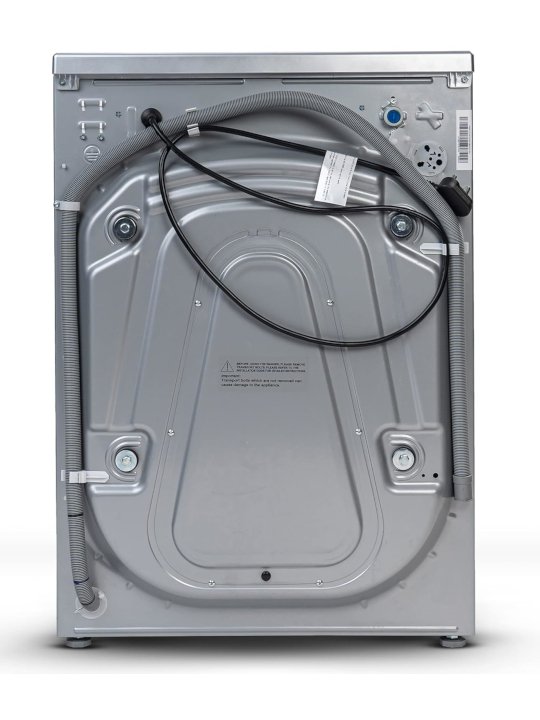
Installing a Hisense washing machine properly helps prevent vibration, water leaks and drain faults. Many Kenyan homes have small utility spaces, shared plumbing or intermittent water pressure, so measure and inspect the location before delivery. These steps are a planning checklist, not a substitute for the exact model manual or a trained installer.
Before delivery: measure the site
Measure the available width, depth and height, including space behind the machine for hoses and room in front for the door to swing open. Also measure access through corridors and doors. A “6kg” or “10.5kg” specification refers to wash load, not the appliance dimensions. A washer-dryer may need different clearance or ventilation considerations.
Water inlet and pressure
Check whether there is a suitable nearby cold-water tap, that its fittings match the supplied inlet hose and that the supply pressure falls within the manufacturer’s supported range. When an overhead tank is used, head height alone does not guarantee sufficient operating pressure. Avoid improvised hose extensions and check the Hisense low-water-pressure guide.
Safe drainage
A drain hose must be fitted at the height and arrangement specified for the actual model. A hose placed too low may cause siphoning; a blocked or poorly secured outlet may flood the laundry area. Do not seal an overflow-prone drain with improvised materials. Confirm the destination can accept the machine’s discharge water.
Levelling, transit bolts and vibration
A front-load drum is supported for transport using shipping restraints on many models. An installer must remove transit bolts or packing exactly as directed before operating the washer. Keep the restraints for future moving where the manual recommends it. Place the cabinet on a firm floor and adjust levelling feet until stable; do not use loose pieces of wood or foam to hide a rocking machine.
Electrical checks
Use a suitable properly earthed supply and the protection specified in the model manual. Do not rely on overloaded extension leads, damaged plugs or splash-prone sockets. If the circuit or earth connection is uncertain, consult a qualified electrician. Always isolate power before working near hoses or accessible electrical areas.
Commissioning and handover
- Confirm complete model and serial details against the delivered unit.
- Check the manual’s first-use procedure and any required cleaning or test cycle.
- Inspect inlet and outlet joints for leaks.
- Check that the machine stays stable during a normal spin stage.
- Retain the purchase receipt, warranty and installation details.
FAQs
Can I put my Hisense washer on a weak wooden platform?
Do not assume a raised platform is suitable. Confirm rated load-bearing and vibration stability with the manufacturer and an installer.
Will it work with an overhead tank?
Only if supply pressure and flow meet the specific model requirements.
Where can I compare machines for small apartments?
Read the Nairobi apartments buying guide or browse Hisense washer models and prices. For a wider set of appliance comparisons, explore the Hisense Knowledge Centre.

2 thoughts on “Hisense Washing Machine Installation in Nairobi: Taps, Drainage and Levelling”
Comments are closed.