CMF Watch GPS and Battery Explained: Dual-Band vs Multi-System for Kenya

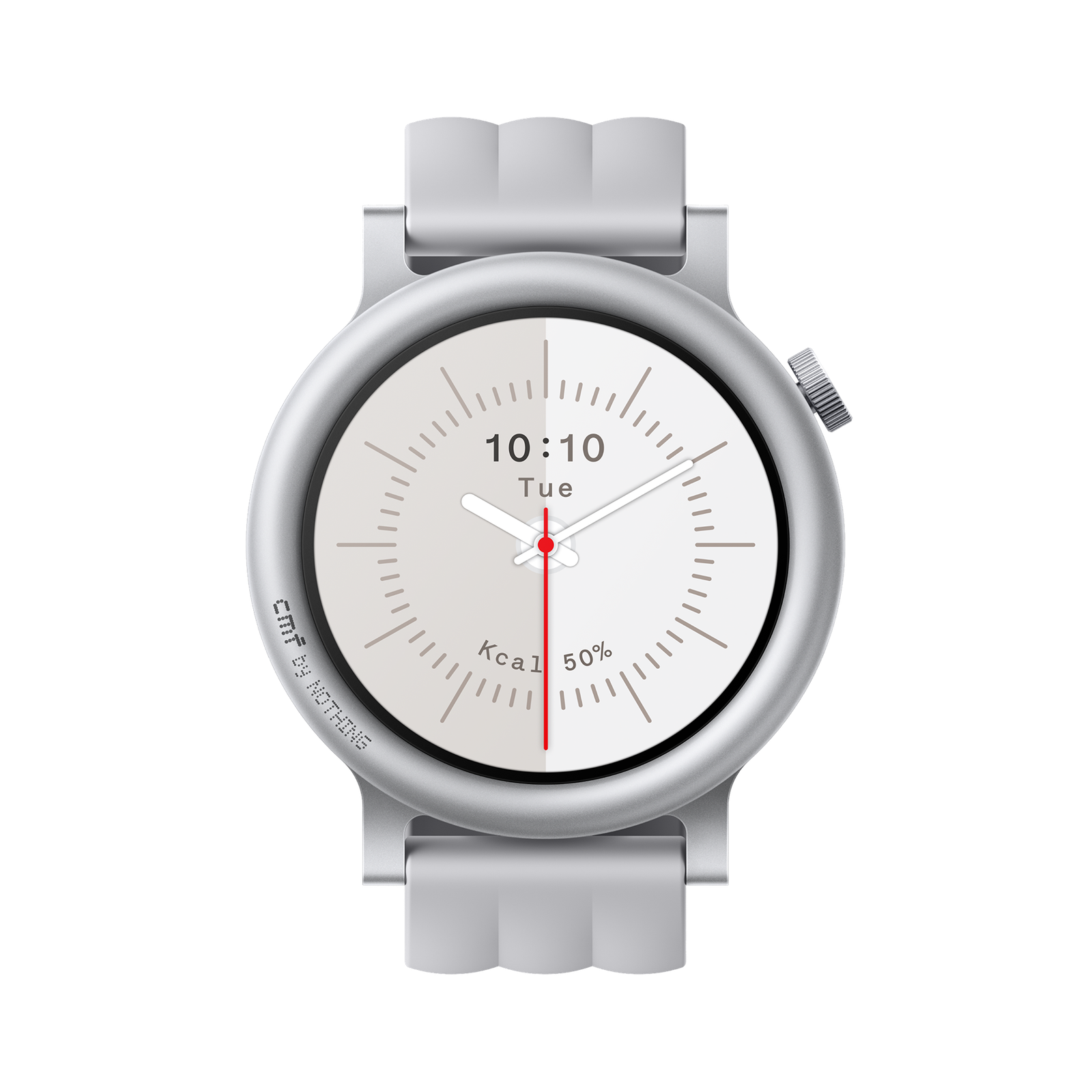
Buying a budget smartwatch for running, walking or cycling in Kenya raises two practical questions: will the route trace be useful, and how much battery will GPS consume? The CMF Watch 3 Pro and Watch Pro 2 offer different satellite receiver capabilities, while both advertise multi-day battery life. This guide avoids claiming that either watch was independently tested by Infinite Tech.
What is dual-band GPS on CMF Watch 3 Pro?
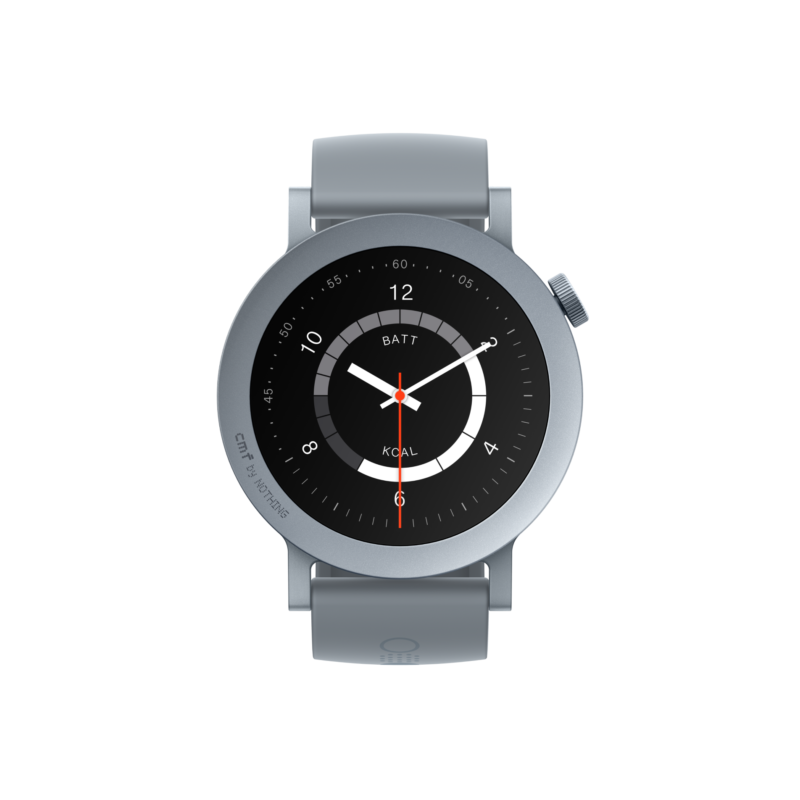
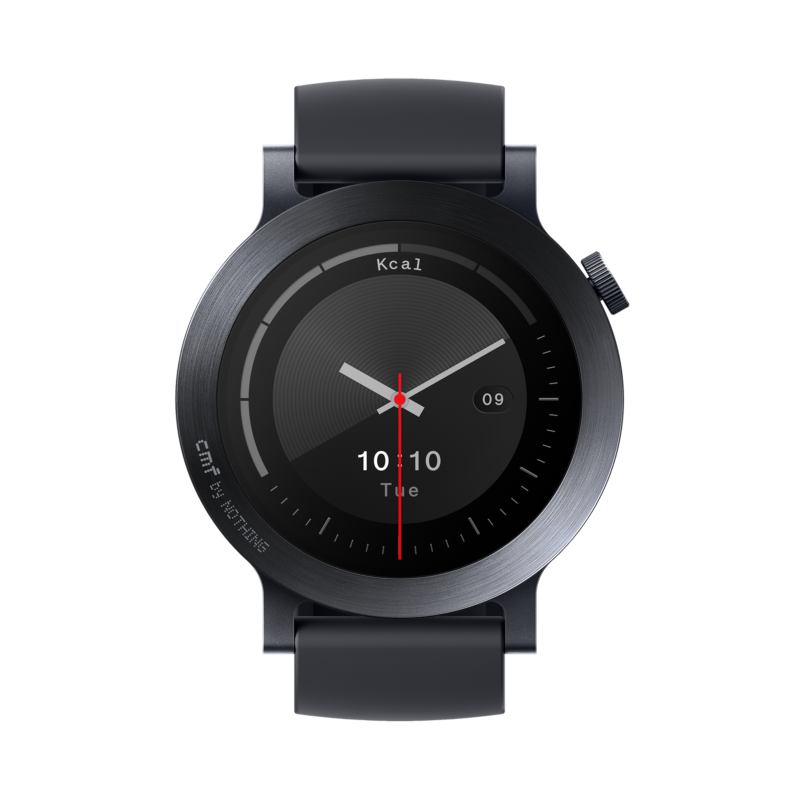
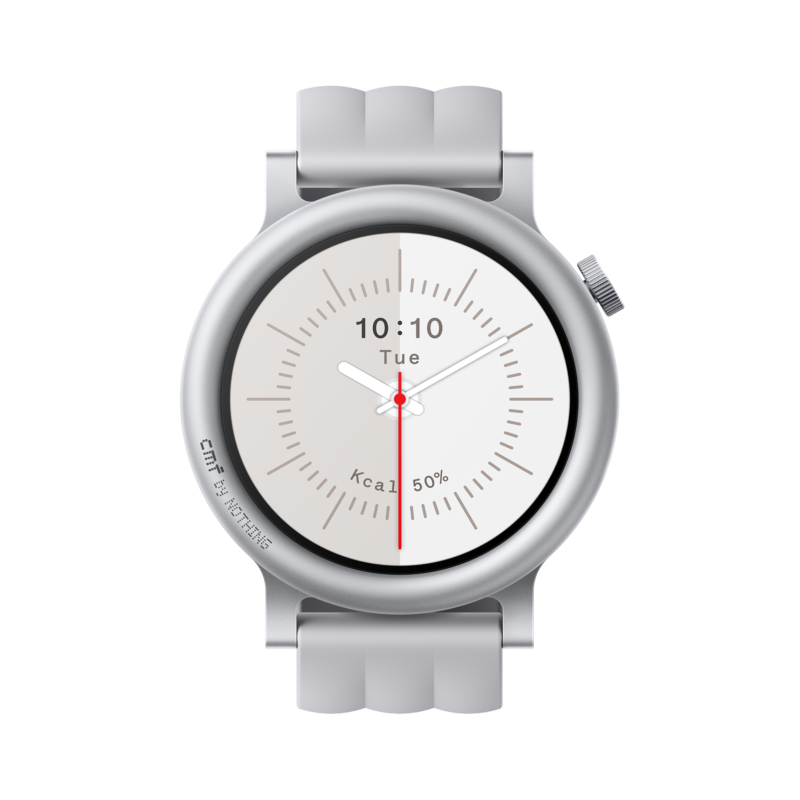
Nothing confirms that Watch 3 Pro uses satellite GPS bands L1 and L5. Receiving more than one frequency can help the chipset cope with challenging signal conditions, such as reflections among high buildings. However, no watch can guarantee accurate route tracking under a concrete roof or in every urban canyon. Walk or run in a reasonably open area while the watch acquires location when possible.
What GPS does CMF Watch Pro 2 have?
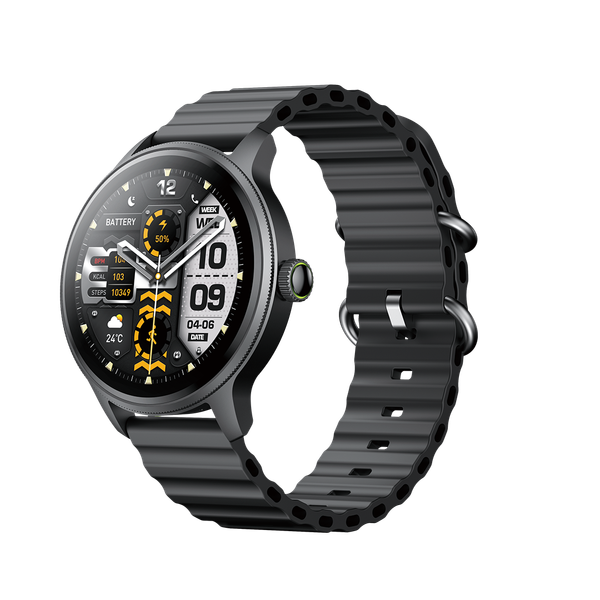
The Watch Pro 2 supports GPS, GLONASS, Galileo, QZSS and BeiDou. These are different satellite constellations, which can improve access to positioning signals. That is not the same statement as dual-frequency GPS. It is better to describe this model as built-in multi-system GPS, not L1+L5 dual-band, unless the manufacturer explicitly says otherwise.
Which is more suitable for Nairobi routes?
For runs in busy districts where buildings obstruct satellites, the Watch 3 Pro has the technically stronger GPS specification. For weekend walks, gym workouts and straightforward routes with open views, Watch Pro 2 may be sufficient. Even the more advanced model can show a zigzag track or a delayed initial fix depending on conditions and firmware.
GPS and battery: why the headline endurance changes
Nothing rates the Watch 3 Pro at up to 13 days in typical use, versus up to 11 days on Watch Pro 2. These figures include specific usage patterns, not 13 or 11 days of uninterrupted GPS operation. Long cycling sessions, repeated GPS acquisition, Bluetooth calls, high brightness and Always-On Display increase power usage. Evaluate based on your weekly activity schedule, not just the number printed on a box.
Simple accuracy and endurance checklist
- Update the watch through the correct companion app before comparing activity routes.
- Wait for the watch to acquire location outdoors, away from indoor obstructions.
- Keep the watch snugly fitted for optical heart-rate readings, without overtightening it.
- Turn off Always-On Display when long battery life matters more than constant visibility.
- Check the watch battery before long sessions; frequent GPS use is more energy-intensive than passive notifications.
- Never treat recorded calories or health sensors as certified medical measurements.
Price/value decision
Infinite Tech currently lists the CMF Watch 3 Pro at KSh 8,495 and CMF Watch Pro 2 at KSh 7,495. For KSh 1,000 more, buyers focused on GPS and outdoor tracking have a reasonable case for the newer watch. Buyers focused on style and basic daily workouts can save KSh 1,000 with Pro 2. Compare all features in the head-to-head guide.
FAQ
Is multi-system GPS the same as dual-band?
No. Multi-system describes the constellations used; dual-band describes reception on multiple satellite frequencies.
Can I use GPS without my phone?
Both watches advertise built-in satellite receivers, but some syncing and connected features still need the phone.
Does GPS reduce battery life?
Generally yes. Extended satellite tracking is a more intensive activity than keeping time on the watch face.
Official sources: Nothing Watch 3 Pro L1+L5 explanation and Watch Pro 2 specifications. For live prices and availability contact Infinite Tech, Nairobi CBD, on 0720450148.