
Hisense AP-09CR4RKVS00 vs AP-12CR4RKVS00: 9,000 or 12,000 BTU Portable AC in Kenya?

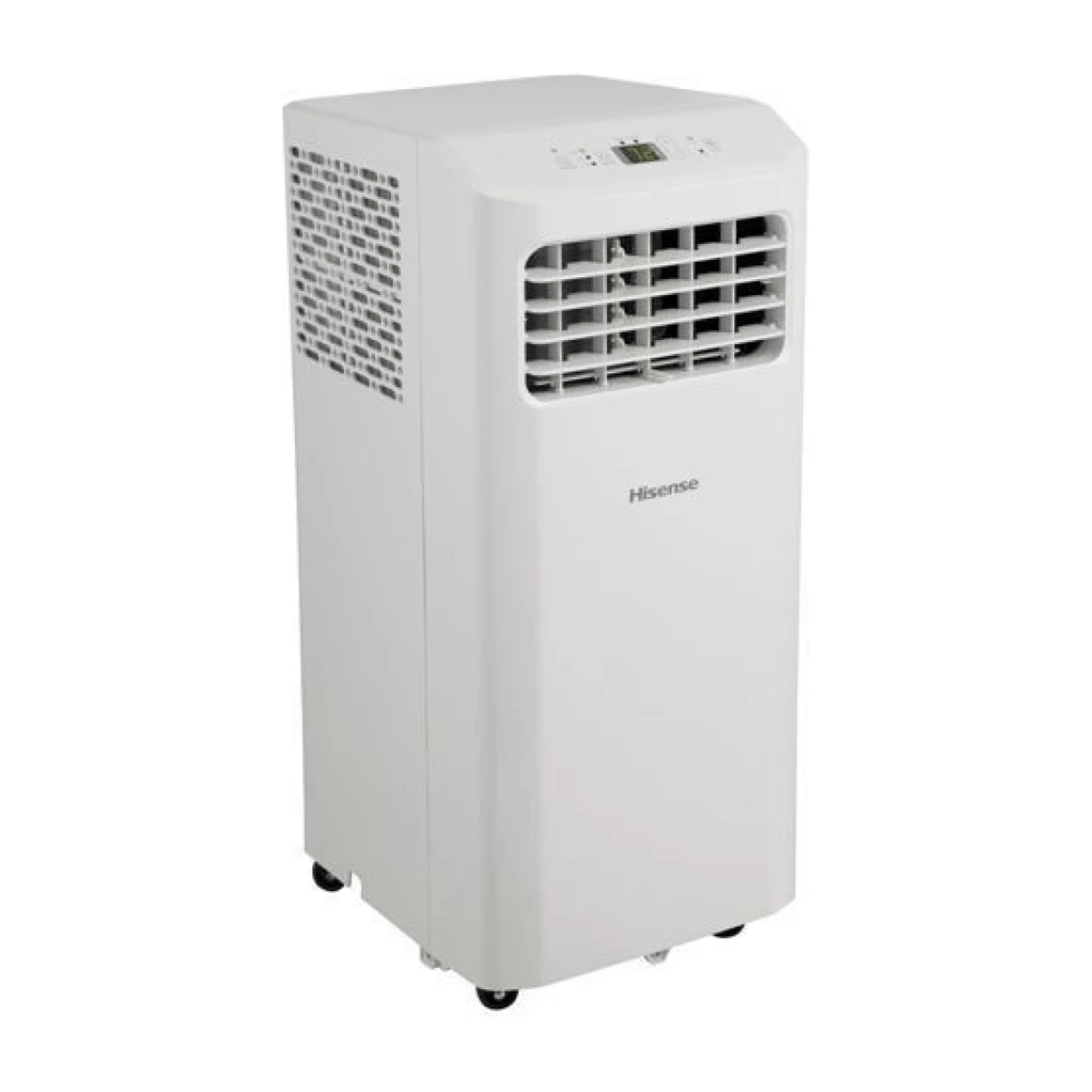
Choosing between the Hisense AP-09CR4RKVS00 and AP-12CR4RKVS00 is mainly a capacity and room-heat-load decision. The Infinite Tech catalogue lists the first at 9,000 BTU and the second at 12,000 BTU; both are portable air-conditioner formats. A higher BTU figure is not automatically better if the room is small, poorly sealed or difficult to vent. Measure the space and plan the exhaust route before comparing the models.
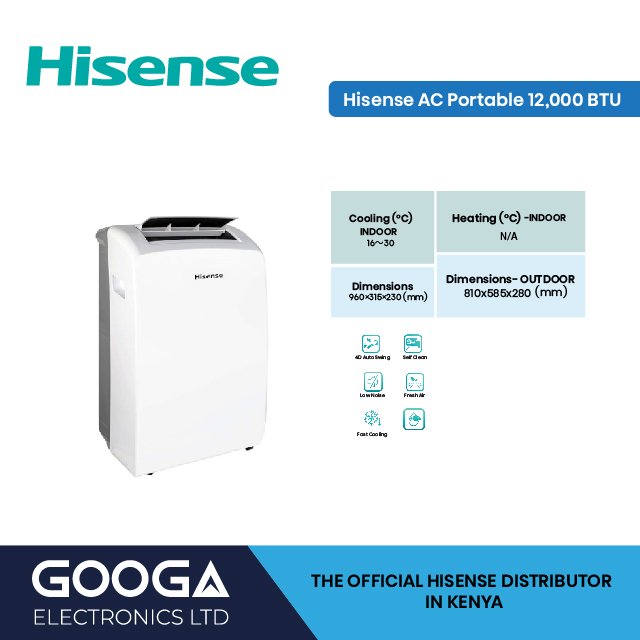
At-a-glance comparison
| Decision point | AP-09CR4RKVS00 | AP-12CR4RKVS00 |
|---|---|---|
| Listed cooling capacity | 9,000 BTU | 12,000 BTU |
| Appliance format | Portable air conditioner | Portable air conditioner |
| Main selection question | Can the lower capacity meet the room heat load? | Does the larger capacity suit the measured room and heat gain? |
| Installation requirement | Exhaust hose routed outdoors | Exhaust hose routed outdoors |
| What to confirm | Exact unit label, electrical rating and window kit | Exact unit label, electrical rating and window kit |
1. Start with the room, not the BTU headline
Room area is only a starting point. Ceiling height, direct afternoon sun, window size, roof heat, people, computers and cooking equipment all add heat. A shaded bedroom with a closed door may need less cooling than a sun-facing office with several occupants, even when the floor area is similar.
The 9,000 BTU AP-09 may be the more proportionate choice for a smaller, lower-heat room if a proper cooling assessment supports it. Consider the 12,000 BTU AP-12 where the measured heat load is higher. If the room has open doorways or large unshaded windows, improve the envelope before assuming a larger portable unit will solve the problem.
- Measure length, width and ceiling height.
- Record sun exposure and major heat sources.
- Ask an installer to assess unusual room layouts rather than relying on a generic square-metre claim.
2. Portable AC performance depends on exhaust sealing
A portable air conditioner removes heat from the room and must discharge that heat outside through its exhaust arrangement. If the window panel is loose, hot outdoor air can leak back in and undermine cooling. Keep the hose as short and straight as the manual permits; avoid crushing it behind furniture.
Before buying, measure the window opening and check whether the supplied installation kit fits. A portable unit still needs a suitable power outlet, floor space and a route for any condensate handling specified in its manual. Portability does not mean the appliance can cool effectively in any room without setup.
3. Compare noise, placement and daily movement
Portable systems keep the compressor in the room, so operating sound is heard indoors. If the unit will run beside a bed, study desk or reception counter, consider where it will stand and whether the sound level is acceptable. Keep the air inlet and outlet unobstructed and leave the clearances required by the manual.
Wheels make it easier to move a unit between rooms, but the exhaust kit must be reinstalled correctly each time. Moving it frequently can be less convenient than choosing a fixed split system for a room that needs regular daily cooling.
4. Which model should you shortlist?
Shortlist the AP-09 when the room heat load is modest and a 9,000 BTU class unit is appropriate. Shortlist the AP-12 when a qualified assessment indicates that 12,000 BTU is better matched to the room. Do not use the larger number to compensate for an unsealed window, a long exhaust hose or an open-plan space.
For each unit, compare the live product page, exact model plate, rated electrical input, noise information, refrigerant details, window accessories and warranty documents. The retailer product records and the manufacturer’s regional page should agree with the physical unit before payment.
Check the exact listing before ordering
Open the live product pages for the exact model codes, current price, stock status, included accessories and applicable warranty. Similar model names do not guarantee identical regional specifications. Browse the Hisense Knowledge Centre for related guides and the Hisense product catalogue for current listings.
Before you buy: portable AC checklist
- Measure the room and note sunlight, ceiling height and heat sources.
- Confirm the window opening accepts the exhaust kit and can be sealed.
- Check the electrical rating, noise information and condensate instructions on the exact unit.
- Choose 9,000 or 12,000 BTU only after matching capacity to the room heat load.
Compare the live AP-09CR4RKVS00 listing with the AP-12CR4RKVS00 listing before ordering.
Frequently asked questions
Is the AP-12 always better than the AP-09?
No. The 12,000 BTU model has a higher listed capacity, but the right size depends on room heat load, insulation, sun exposure and ventilation.
Do portable Hisense air conditioners need a window hose?
They need a way to discharge heat outdoors. Follow the exact model manual and use a correctly sealed window arrangement.
Can I move the unit from bedroom to sitting room?
Yes, if the new room has a suitable power supply and a safe exhaust route. Refit and seal the window kit each time.
Will a 12,000 BTU unit cool an open-plan room?
Not necessarily. Open doorways and high heat gains can exceed the unit’s practical capacity. Get the room assessed.
Where can I compare the models?
Use the live AP-09CR4RKVS00 and AP-12CR4RKVS00 product listings at Infinite Tech and verify the exact stock unit before ordering.
Independent retailer buying guidance by Infinite Tech, Nairobi. Confirm model labels and manufacturer documentation for the exact unit supplied.
