
Hisense TV Viewing Angles: Choosing a Screen for a Wide Living Room

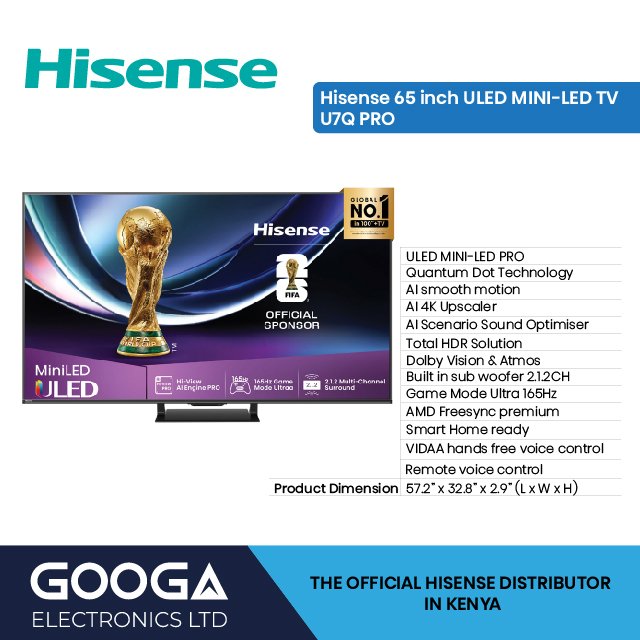
In a wide sitting room, the best centre-seat picture may not be the best family-viewing experience. Off-axis picture changes vary by panel construction and processing, even among televisions in the same series. Do not assign a panel type to a regional SKU without documentation.
Map your seats first
Measure the distance from the screen to the main seating row and the lateral offset of the outermost seat. A seat two metres sideways and three metres away is about 34 degrees off-centre. This geometry is a planning example, not a universal viewing-angle limit. The actual television should be evaluated from those positions.
How to compare in a showroom
Use a neutral picture mode and one clip containing faces, white subtitles and darker backgrounds. Look straight on, then move sideways at the intended angle. Watch for washed-out dark areas, colour shifts and changes in subtitle visibility. Repeat with room lighting comparable to your home.
Do not confuse brightness with viewing angle
A brighter image can help with ambient light, but it may still lose contrast off-axis. A QLED or Mini-LED designation alone does not guarantee broad viewing angles. Ask for measurements of the precise panel size and variant.
Model shortlist
Compare the 65A6QKEN, 65Q6QKEN and 65U7Q Pro if they fit your seating arrangement. Use current product prices and ask for the exact display specifications. The sports viewing guide adds checks for groups watching matches together.
Explore the Hisense Knowledge Centre for additional buyer resources. Confirm the exact regional SKU, live price, physical stock and warranty before ordering. This independent retail guide does not claim hands-on testing.
