Samsung 9kg Heat-Pump Dryer Maintenance: Lint, Water and Safe Care

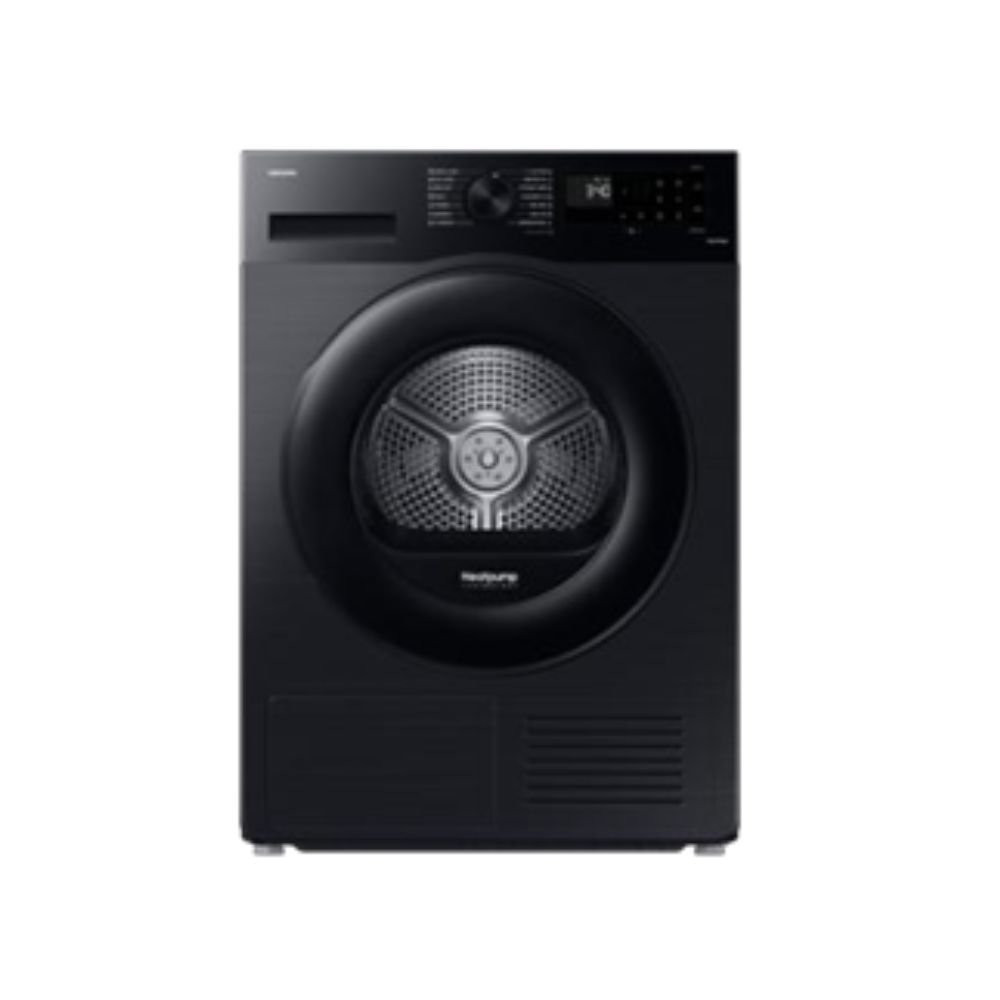
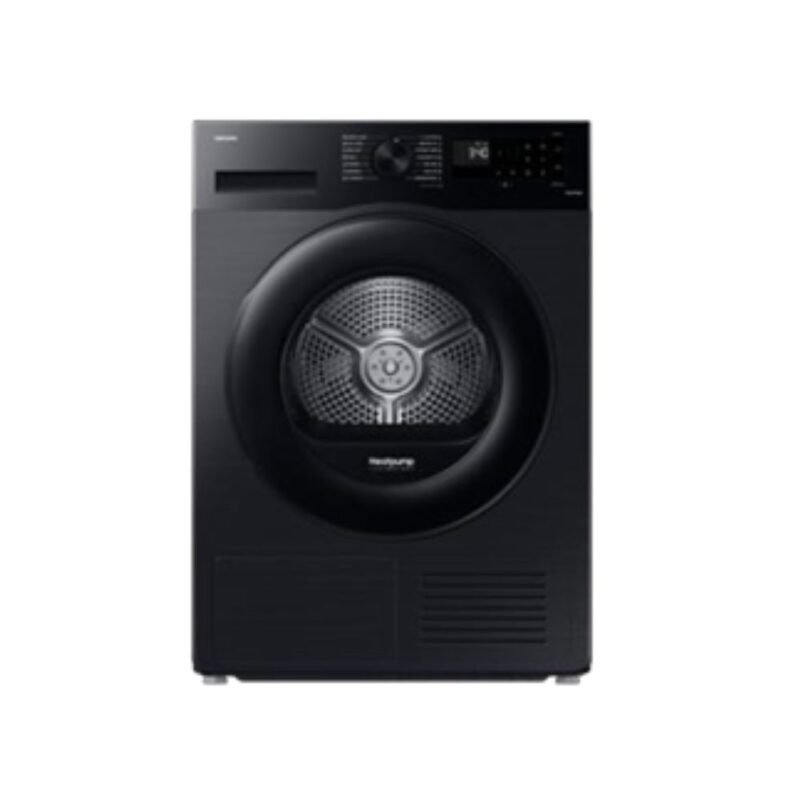
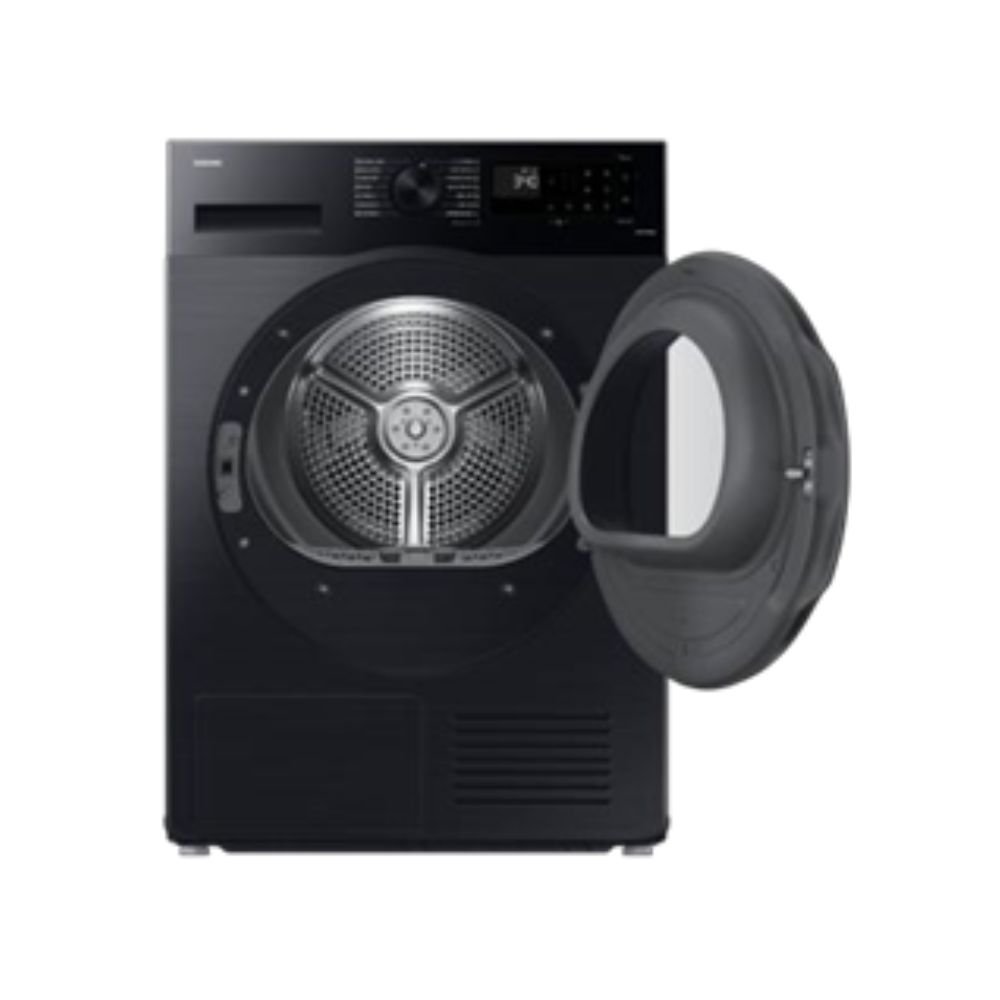
Updated 4 November 2026. Ownership guide for the Samsung DV90CGC2A0ABNQ standalone 9kg tumble dryer: lint-filter care, condensate management, programme choices and signs that require service. It complements the separate purchasing guide rather than repeating prices and feature comparisons.
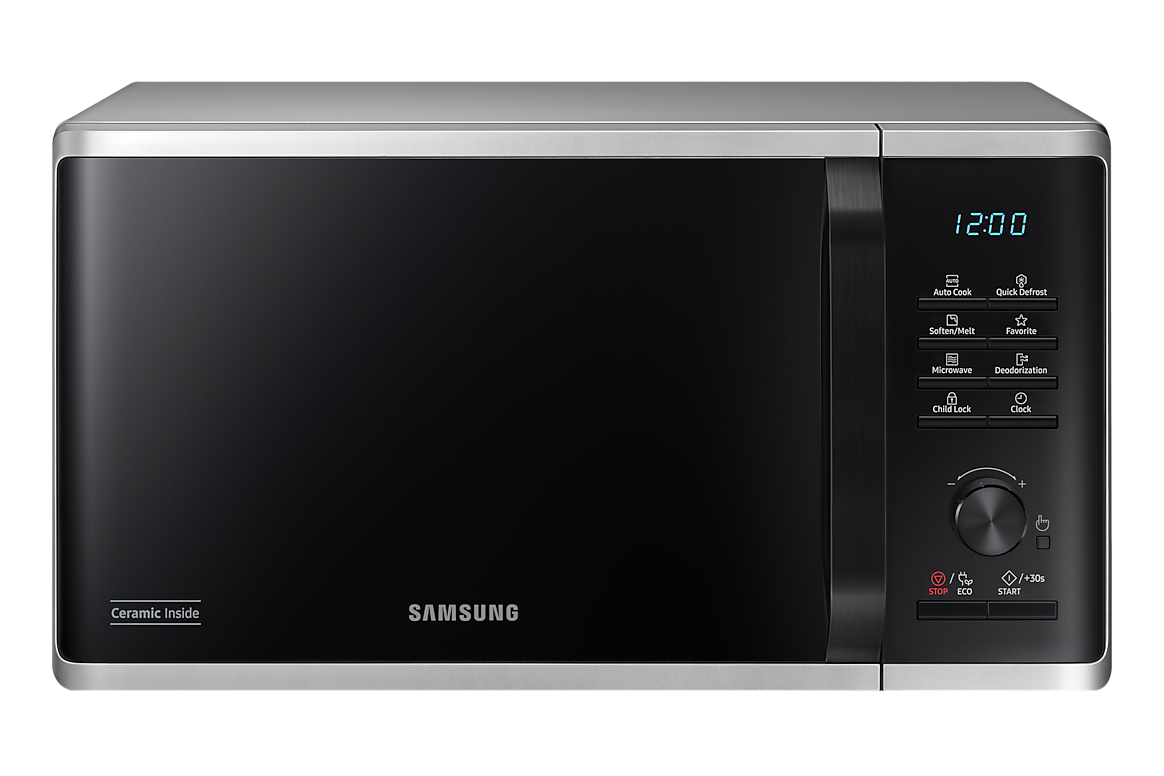
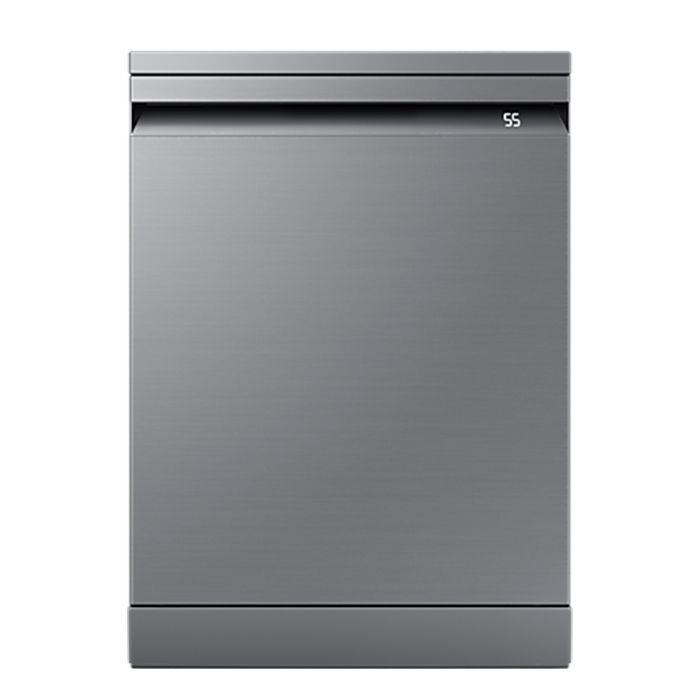
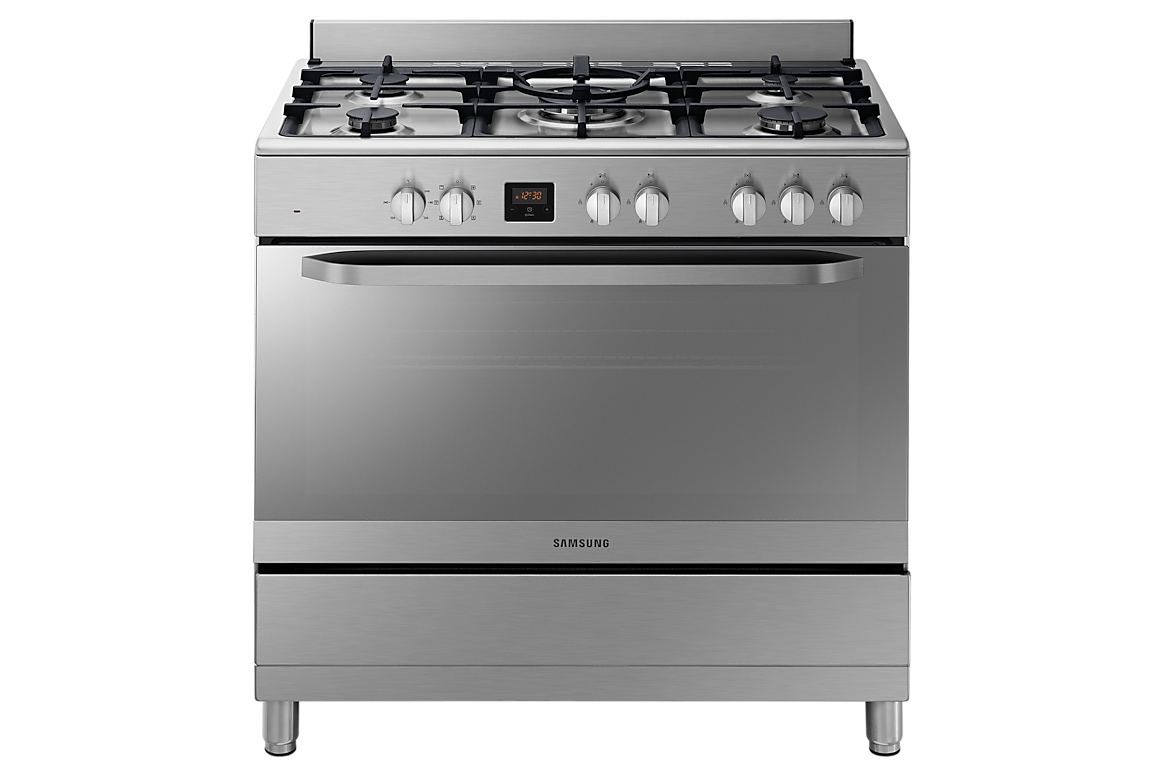
Related Samsung appliances on Infinite Tech
| Model | Current listed price | Product |
|---|---|---|
| DV90CGC2A0ABNQ | KSh 94,000 | Check stock and price |
Filter care is a routine, not a repair
Lint accumulates during drying, and restricted filters can reduce airflow. Consult the exact Samsung DV90CGC2A0ABNQ manual for how often each owner-serviceable filter should be cleaned and how to remove it. Switch off the machine before maintenance. Do not use the dryer with required lint filters absent and do not force filter parts into position if they do not align correctly.
What to do with collected water
Heat-pump tumble dryers can condense moisture from clothing rather than releasing it through a traditional vent. The exact installation may use a water reservoir or a suitable drainage hose arrangement. Confirm which configuration is supported and supplied with the Kenyan model. Empty or maintain the reservoir as directed and never allow overflow near power sockets.
Do not confuse wash load and dry load
A dedicated 9kg dryer only dries laundry; its rating should be assessed separately from the capacity of a connected washer. If your washing machine produces loads larger than the dryer permits, split them. Overloading can limit air circulation and prolong cycles. Thick towels, duvet covers and synthetic items may require different programmes; respect garment labels and the official cycle chart.
Cleaning without damaging the appliance
Wipe accessible door seals and surfaces with methods approved in Samsung’s documentation. Avoid corrosive solvents, aggressive abrasives and forced water sprays. Where the model has user-accessible exchanger or sensor cleaning, follow the precise illustrations. Do not dismantle the compressor, refrigerant circuit, electrical modules or sealed casing.
If clothes stay damp
First confirm the selected programme, permitted load, lint-filter condition and whether the water container or drain system needs owner-level attention. A wet load is not proof of a mechanical fault. If the machine repeatedly stops with an error, produces abnormal noise, smells hot or leaks into electrical areas, stop operation and arrange qualified service.
Building a useful household routine
Keep a record of how frequently loads are dried and when filters are cleaned. Empty the lint compartment after the intervals given in the manual. Good routine care is especially important for households drying heavily lint-producing bedding or towels. Keep the manufacturer’s manual and purchase invoice accessible so future repairs can identify the correct variant.
Stacking and room fit
If the dryer is stacked above a compatible washing machine, use only a manufacturer-approved combination and kit installed correctly. Maintain required clearance and stable support. Do not place a stacked setup where it blocks an exit or makes the controls unsafe to reach.
Practical weekly dryer care schedule
After a typical drying load
Follow the Samsung manual to remove lint from the accessible filter. Check whether the model uses a water collection tank and empty it as directed. Blocked airflow or a full tank can impair performance. Never operate with absent or incorrectly installed parts.
Before drying a bulky item
Read its fabric label and the programme-specific dryer capacity. Separate heavyweight towels from very lightweight garments when possible. A nominal 9kg rating does not guarantee one entire damp duvet is suitable for every cycle.
Know when care becomes a repair
If the drum does not turn, a seal leaks, overheating is suspected, or the dryer repeatedly displays a fault, stop use and contact qualified service. Do not open high-voltage components or improvise filter modifications. For purchase considerations, refer to the Samsung 9kg dryer buying guide.
Frequently asked questions
How often should I clean the lint filter?
Follow the DV90CGC2A0ABNQ’s manual and the alert system if present.
Can I wash all dryer filters?
No, only filters explicitly designated washable.
Why is there water in a dryer?
Condensing systems remove moisture into a tank or drain, depending on configuration.
Can I overload a 9kg dryer?
No; follow cycle-specific load limits.
Can I repair the heat pump?
No. Refrigerant and electrical work need qualified service.
Primary sources
Explore more buying guides
See Samsung appliance reviews, Samsung dishwasher comparisons, microwave buying advice and Samsung 9kg dryer buying guide. Verify the full manufacturer model before performing maintenance.
Editorial note: General care information based on Samsung’s published support guidance, not a repair service or hands-on laboratory test. If your manual differs, follow the manual.