Samsung Dishwasher Not Cleaning Properly? Filters, Loading and Care

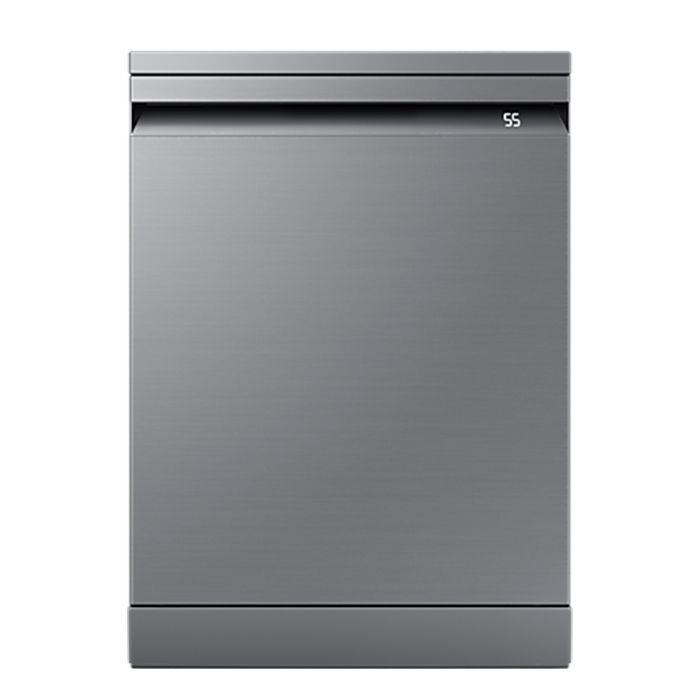
Updated 4 November 2026. If a Samsung dishwasher leaves food on plates, water spots or undissolved detergent, the cause may be loading, filtration, water supply or programme selection. This guide gives safe owner checks and links to Samsung Africa support, without assuming every dishwasher has identical controls.
Related Samsung appliances on Infinite Tech
| Model | Current listed price | Product |
|---|---|---|
| DW60BG730FSL | KSh 119,000 | Check stock and price |
| DW60BG750FSL | KSh 131,000 | Check stock and price |
Start with loading rather than taking the machine apart
Large sufurias, roasting trays and tall serving spoons may block the spray arms if loaded without sufficient clearance. Position dishes so that water can reach their soiled surfaces and the detergent dispenser can open fully. Samsung’s official dishwasher FAQs identify incorrect loading as a common cause of weak washing. Do not assume a machine with 14 place settings will fit every large cooking pot; place settings are based on standardised tableware rather than a Kenyan kitchen’s actual cookware.
Inspect filters using the exact manual
Food particles caught in the filter can be redeposited on dishes or restrict drainage. Samsung Africa advises inspecting the coarse, main and fine filters where the model uses that arrangement. Turn the appliance off and follow the user’s manual for removing the owner-serviceable filter assembly. Rinse and clean as instructed, reinstall in the correct orientation and never run the machine with required filters missing. The assembly design and removal direction can differ by model.
Check the spray arms and detergent dispenser
Spray-arm openings can become blocked with debris, affecting coverage. With power safely off, look for obvious obstructions using the model’s approved procedure. Avoid forcing nozzles, using sharp wire or removing inaccessible parts. Also check that the detergent dispenser is not obstructed by an oversized dish. Household washing-up liquid is not suitable dishwasher detergent because it can produce excessive foam.
Water hardness and detergent choice
Hard water can contribute to spots and mineral deposits. Samsung notes that models equipped with appropriate water-softening systems may require dishwasher salt and correct regeneration settings. Do not add ordinary table salt. Check whether rinse aid is appropriate and whether the machine has a dedicated dispenser. Follow the user’s manual for compatible detergents and dosage rather than adding extra powder by guesswork.
When a drainage or supply issue is suspected
If standing water remains or a drain-code warning appears, inspect accessible hose bends and the sink drain connection without dismantling electrical parts. Samsung publishes model-dependent guidance for drainage errors, including 5C or 5E on certain units. Do not assume a particular code applies to every DW60 regional model. If leaks, persistent errors or wiring problems occur, stop using the appliance and arrange qualified service.
Choosing a better programme
Quick or economical wash cycles may not suit heavily dried-on cookware. Scrape large food residues and choose a programme appropriate for the load. If the machine has a verified intensive or hygiene programme, use it in accordance with the manual rather than assuming the same temperature on every unit. For recurring problems, note the exact model, detergent used, cycle selected and nature of the residue before requesting support.
Troubleshooting order before requesting service
Inspect loading and detergent first
Stop the cycle safely and review whether dishes blocked the spray arms or detergent dispenser. Check for dishes nested tightly together, or very large pots shielding smaller dishes. Follow the model’s official rack arrangement and cleaning instructions.
Check filters, spray arms and water conditions
With the dishwasher safely off, clean accessible parts as prescribed. If white residue remains, consider manufacturer-approved rinse aid and hardness settings instead of adding more detergent indiscriminately. Do not handle pumps, live wiring or pressurised plumbing yourself.
When to stop owner troubleshooting
Repeated water leaks, strong electrical smells, unexplained heating failure or persistent drainage errors warrant qualified service. Note the model suffix and error display before calling. Our Samsung dishwasher cleaning and rinse-aid guide gives preventive care separately from fault diagnosis.
Frequently asked questions
Why does the dishwasher leave spots?
Water hardness, rinse aid, detergent or loading may contribute; follow model-specific guidance.
Should I rinse all dishes first?
Remove large food scraps; extensive pre-rinsing is not necessarily required for suitable cycles.
Can I use ordinary liquid dish soap?
No, use approved dishwasher detergent.
Can I run a dishwasher without filters?
No, not where filters are required.
Is this a replacement for a technician?
No. Persistent leaks or electrical faults require qualified service.
Primary sources
Explore more buying guides
See Samsung appliance reviews, Samsung dishwasher comparisons, microwave buying advice and Samsung 9kg dryer buying guide. Verify the full manufacturer model before performing maintenance.
Editorial note: General care information based on Samsung’s published support guidance, not a repair service or hands-on laboratory test. If your manual differs, follow the manual.