Samsung Dishwasher Cleaning and Detergent Guide in Kenya

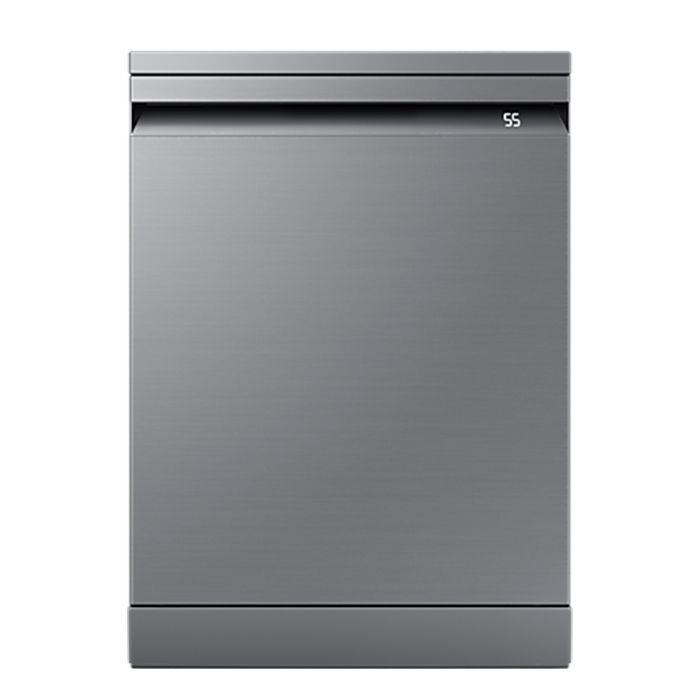
Updated 4 November 2026. This evidence-based Infinite Tech guide addresses a specific Samsung appliance shopping or maintenance question for buyers in Kenya. The advice is based on model information and manufacturer support; no hands-on testing is claimed.
Samsung models available at Infinite Tech
| Model | Price snapshot | Current listing |
|---|---|---|
| DW60BG730FSL | KSh 119,000 | View model |
| DW60BG750FSL | KSh 131,000 | View model |
Prices are taken from the site at the time of this article. Check the live pages for updates and delivery terms.
What detergent should you use?
Samsung’s Africa support information for DW60BG730FSL says that detergent specifically formulated for dishwashers should be used. Ordinary hand-washing liquid can create excessive foam and interfere with operation. Choose a suitable dishwasher tablet, gel or powder as permitted by the exact machine manual, and measure the dose according to the product label, load and water conditions. More detergent is not always better; excess may leave residue or cause unnecessary running costs.
Rinse aid and white residue
If glasses appear cloudy or dishes remain wet, check the manufacturer’s recommendations for rinse aid and loading before assuming a fault. Samsung’s support material explains that white residue may be associated with hard-water minerals or an excessive detergent dose. Use the model’s adjustment instructions, check the salt system where fitted, and avoid mixing unrelated chemicals in the detergent compartment.
How to load large pots and sufurias
Dishwasher place settings describe standardised arrangements, not the exact number of Kenyan cooking pots that will fit. Load large items so they do not block spray arms or detergent dispenser operation, and place heat-sensitive utensils only where the cookware maker permits dishwasher cleaning. Before starting, rotate movable spray arms by hand with the appliance safely powered down to check for obstructions as directed by the model manual.
Cleaning filters and spray arms
Food debris can accumulate in the filter and affect drainage or cleaning. Switch off the machine and follow the published procedure for removing and rinsing its accessible filter; avoid tools or sharp implements that can damage seals. Inspect spray-arm openings only using manufacturer-approved cleaning methods. Never dismantle concealed pumps or electrical parts to resolve a persistent blockage.
Drying performance and air circulation
Some dishwasher models include automatic door-opening drying features; whether they are present and enabled depends on the exact regional model. Wet plastics and closely nested dishes can remain damp after a completed programme. Use an appropriate rinse aid if supported, avoid overloading and allow adequate airflow after the cycle as the manufacturer recommends. Do not force an auto-opening mechanism or obstruct its operation.
Safe routine for Kenyan homes
Inspect water supply connections and the drain hose periodically for visible signs of leaking. If water backs up, electrical components become wet, or the machine displays repeated errors, stop operation and arrange qualified service. The manufacturer manual for DW60BG730FSL is a useful starting point; DW60BG750FSL should be checked against its own instructions and suffix.
Buying decisions and total cost
Infinite Tech lists a 13-place DW60BG730FSL and a 14-place DW60BG750FSL, with prices of KSh 119,000 and KSh 131,000 in the observed catalogue. Compare racks, dimensions, cleaning options, certified water use, maintenance supplies, installation, delivery and warranty. Do not treat the additional place setting as a guarantee of extra space for every large pot.
A 15-minute dishwasher care routine
Before the cycle
Remove large food debris and arrange dishes so spray arms rotate freely without striking cookware. Use only the detergent type and dosage approved by the Samsung manual. Check that the detergent dispenser can open and that oversized sufurias do not obstruct it.
After the cycle
If drying is poor, check plastic placement, rinse-aid settings where fitted, and the selected programme. If white film remains on glasses, examine detergent dosing and the dishwasher’s hard-water guidance. Do not add arbitrary chemicals or hand-washing liquid to improve results.
Weekly or as directed
With power safely off, remove and clean the accessible filter according to the exact manual. Inspect accessible spray arm openings and the door seal without dismantling pumps or electrical panels. For a dishwasher that still fails to clean, see the Samsung dishwasher troubleshooting guide.
Frequently asked questions
Can I use ordinary dish soap in my Samsung dishwasher?
No. Use detergent formulated for dishwashers as required by Samsung’s support guidance.
Why do plates have white residue?
Hard water or excess detergent may be involved; follow the model guidance for detergent, rinse aid and water conditions.
Can plastic containers go in?
Only if the manufacturer marks the particular item as dishwasher-safe and allows the chosen programme temperature.
Should I clean the filter?
Yes, according to the manual; do not attempt repairs inside sealed components.
Is auto-door drying available on both DW60 models?
Verify the exact regional model’s feature list before assuming it is available.
Official Samsung references
Related buying guides
Explore the Samsung appliance content hub, Samsung microwave pricing guide, and Samsung dishwasher comparison.
Manufacturer accuracy: confirm the exact regional suffix before copying a specification to another market. Use a qualified technician for electrical or plumbing problems and follow the model manual.