
Inverter vs Non-Inverter Air Conditioners in Kenya: Electricity and Buying Costs

inverter vs non inverter AC Kenya — The difference between inverter and conventional on/off air conditioning is compressor control, not the unit’s BTU class. Both technologies can cool effectively when sized and installed correctly.
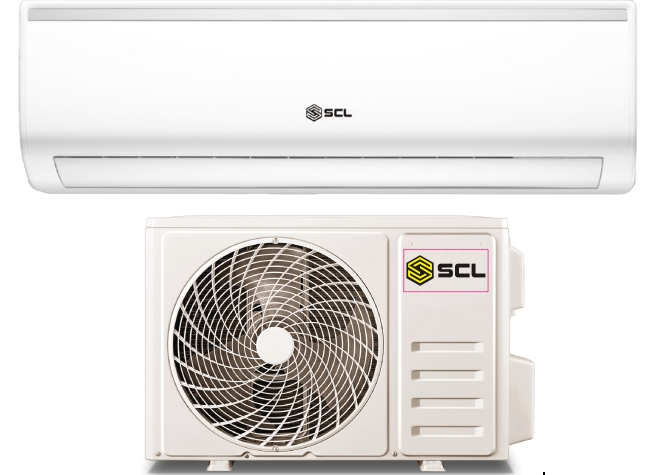
Compressor behaviour
An inverter system can vary its compressor speed as conditions change. A typical non-inverter system cycles between operating and stopping. Continuous modulation can help maintain a steadier temperature and reduce certain starting losses; real energy savings depend on the efficiency label, climate and duty cycle.
Price comparison in the shop
Compare SCL’s 12,000 BTU on/off and inverter products as well as its 18,000 BTU models. These are separate configurations with different published prices; the purchase-price difference needs to be weighed against a realistic pattern of use, not a blanket claim of 30% or 50% savings.
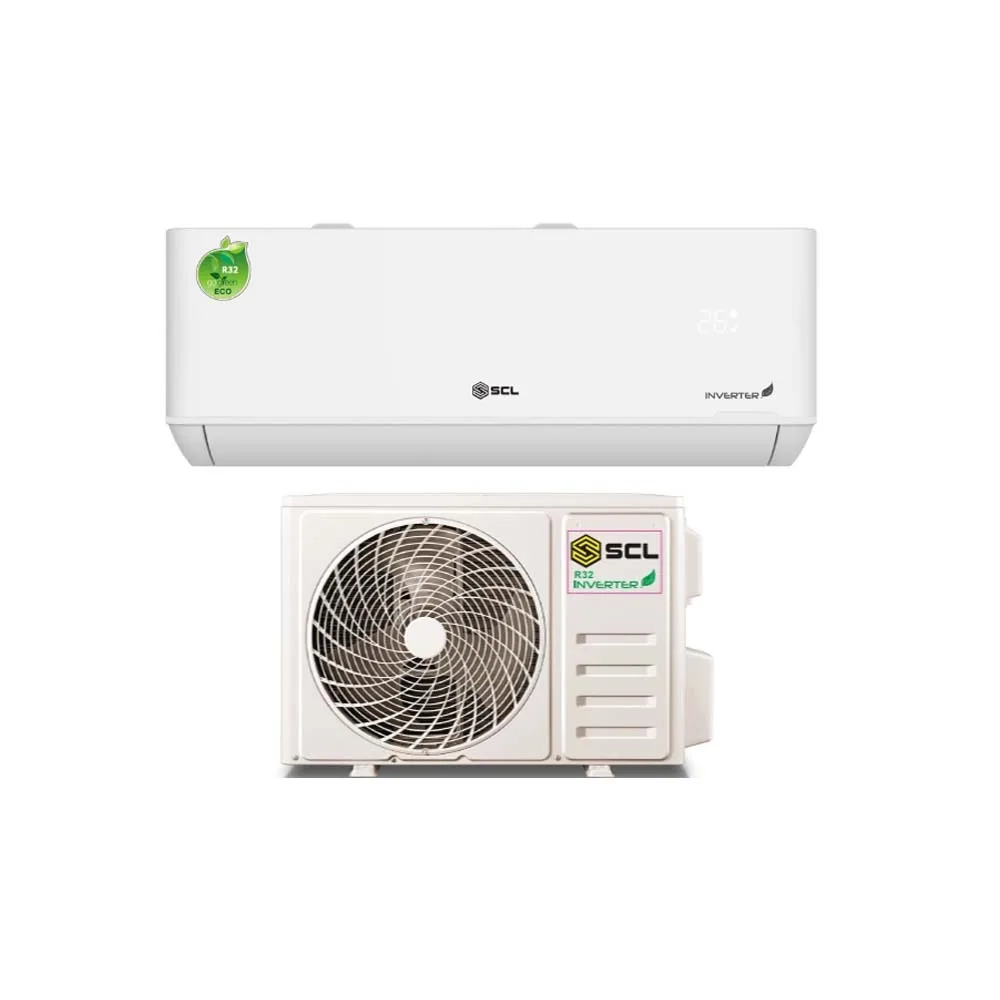
How to calculate a break-even point
Estimate annual kWh for each confirmed model at comparable cooling demand. Multiply by the effective electricity tariff and subtract operating-cost estimates. Divide the extra upfront cost by annual savings if the latter are positive. Also include service and installation differences.
Comparison: product examples you can inspect
| Product | What to verify |
|---|---|
| SCL 12000 BTU on/off | Exact model, cooling capacity, current price, warranty and installation scope |
| SCL 18000 BTU inverter | Confirmed inverter rating, input power, included accessories and running costs |
Practical buying checklist for Kenya
- Measure the room and identify strong afternoon sunlight, high ceilings or internal heat sources.
- Check BTU/h (cooling capacity) separately from electrical input power (watts or kilowatts).
- Verify the exact manufacturer model and the indoor/outdoor unit pairing where relevant.
- Compare the complete installed cost, not only the online sticker price.
- Confirm warranty, service access, delivery and the appropriate technician before placing an order.
Common questions
Does a higher BTU rating always mean better cooling?
No. Oversized and undersized systems can both perform poorly. Capacity should match the heat entering the room and the system’s operating characteristics.
Are inverter ACs guaranteed to save a fixed percentage of electricity?
No. Compare verified efficiency and expected operating conditions for the specific products.
Can I use a portable AC without a window opening?
Portable compressor air conditioners generally require a suitable exhaust outlet to the outside. Check the kit supplied with the exact model.
Are delivery and installation included?
Do not assume either is included unless the individual product or written quotation confirms it.
For pricing context, read our 2026 air-conditioner price guide. For all stock and alternative brands, browse Infinite Tech air conditioners. Manufacturer specifications and current offers should be verified before purchase.
Kenyan inverter AC ownership-cost comparison: a worked method
At Infinite Tech, the SCL 12,000 BTU inverter AC12IN01 and on/off AC12OF01 have distinct listed prices and compressor-control types. The listed unit-price difference was KSh 13,800 on 3 November 2026. The 18,000 BTU SCL AC18IN01 and AC18OF01 listed KSh 9,800 apart on that date. Prices are subject to change.
How to calculate the break-even point without inventing energy savings
Step 1: Obtain comparable annual kWh estimates from the manufacturer’s energy data or from measured representative use. Step 2: Multiply each kWh estimate by an effective local electricity cost that includes applicable charges. Step 3: Subtract the two annual totals to determine the potential annual saving. Step 4: If savings are positive, divide the purchase-price premium by annual savings to estimate simple payback. Include installation and maintenance differences where relevant.
Illustration, not a product claim: If a more efficient system saves 240 kWh annually and the assumed effective tariff is KSh 30/kWh, the hypothetical saving is KSh 7,200 per year. A KSh 13,800 premium would have a simple payback of roughly 1.9 years. Neither 240 kWh nor KSh 30/kWh should be represented as a measured figure or verified current tariff.
See the dedicated AC electricity-consumption calculations, then compare the actual SCL 12,000 BTU models.