
Hisense Glass-Door Display Chiller Condensation in Kenya: Fogging, Humidity and Door Checks

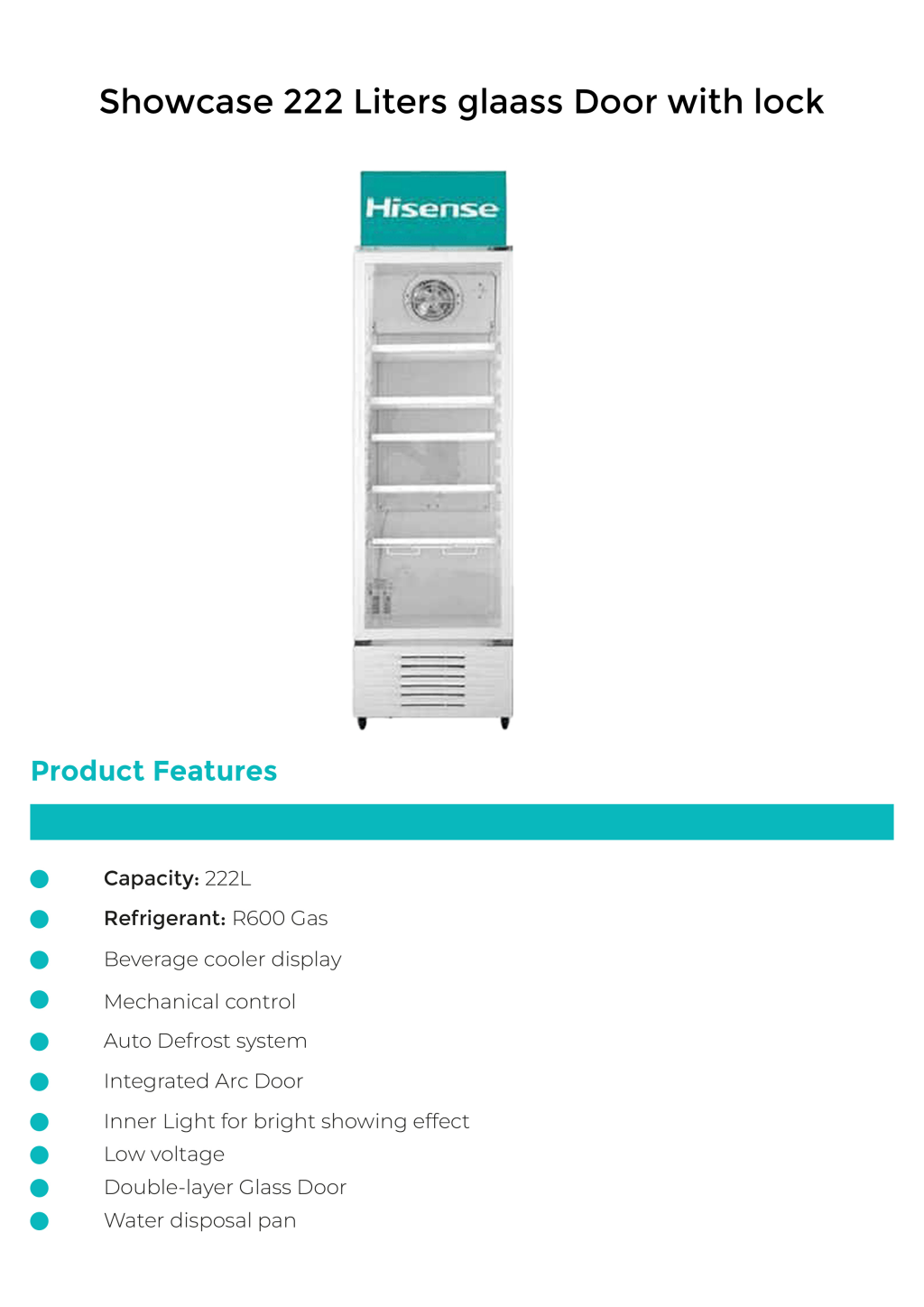
Condensation on a glass-door display chiller can reduce product visibility and make a drinks cabinet look as though it is not cooling correctly. In a Kenyan shop, café, minimart or restaurant, the cause may be humid air meeting a cold surface, frequent door openings, a door that does not close fully or a problem that needs professional attention. A little moisture under certain conditions does not automatically mean the refrigeration system has failed. This guide explains what to observe before arranging service.
Where is the condensation appearing?
First identify whether moisture is on the outside face of the glass, between glass panes, on the inside surface or around the door frame. Exterior fogging can occur when warm, humid room air meets a colder glass surface. Moisture between sealed panes may indicate a glazing issue and should be assessed by a technician. Interior moisture may be associated with warm air entering the cabinet, frequent openings, wet stock or a door-seal problem. These are different situations and should not be treated with the same remedy.
Consider room humidity and shop conditions
Warm, humid air can condense on cold surfaces. The effect may be more noticeable during rainy or humid weather, in a poorly ventilated room or where a chiller sits beside a cooking area, open entrance or source of steam. Observe whether fogging changes during the day or when nearby doors are opened. Keep the cabinet away from direct heat sources and follow the installation clearances in the exact manual. Do not place a fan or heater directly against the cabinet as an improvised fix.
Check how often the door is opened
Every opening allows warmer air to enter and cold air to escape. A busy drinks cabinet in a shop may be opened many times in a short period. If staff leave the door open while restocking or customers hold it open while choosing drinks, moisture and temperature recovery can become more difficult. Organise stock so popular items are easy to reach, close the door promptly and avoid using the display cabinet as a temporary loading area.
Inspect the door seal and closing path
Look for visible dirt, torn sections, loose hinges or packaging that prevents the door from closing. Check that bottles and cartons are not protruding into the door path. Clean accessible seal surfaces gently with a soft cloth and mild soapy water, then dry them. Do not pull, cut or heat the gasket. If a seal is split, permanently deformed or no longer makes consistent contact, arrange an appropriate replacement through qualified service support.
Do not block internal airflow
Display chillers rely on designed air circulation. Stock piled against vents, shelves overloaded beyond their intended arrangement or packaging covering air passages can create uneven temperatures. Leave the clearances shown in the user manual and avoid pressing products against internal grilles. Do not change thermostat settings repeatedly to compensate for a blocked airflow path. Record the cabinet temperature using an appropriate thermometer and compare it with the operating guidance for the model and the food or beverage being stored.
When condensation may indicate a service issue
Arrange professional inspection if the cabinet cannot maintain its specified temperature, the compressor runs continuously without recovery, the door is visibly misaligned, moisture appears between sealed glass panes, water collects where it can reach electrical components, or a warning appears on the display. Do not open electrical covers, adjust refrigerant components or attempt to repair heated glass systems. A technician can check the door alignment, gasket, drainage, fans, sensors and refrigeration system safely.
Daily operating checklist for a retail chiller
- Keep the cabinet away from ovens, direct heat and avoidable steam sources.
- Close the door after each customer or restocking activity.
- Keep products within the intended shelf and loading arrangement.
- Do not block air outlets, returns or ventilation grilles.
- Clean accessible glass and seals using approved gentle methods.
- Record temperatures at consistent times using a suitable thermometer.
- Keep a service log of recurring fogging, alarms and temperature changes.
Frequently asked questions
Is fog on the outside of a chiller glass door always a fault?
No. Warm humid air meeting a cold surface can cause exterior condensation. Persistent or severe fogging still deserves assessment of room conditions and the unit.
What if moisture is between the glass panes?
That may indicate a glazing or seal issue. Do not dismantle the door; arrange inspection by a qualified technician.
Can I use a hair dryer to clear the fog?
No. Do not apply concentrated heat to the glass, seals or electrical parts. Address the underlying humidity or service issue.
Can overloading cause poor display performance?
Yes. Blocking designed airflow paths can contribute to uneven cabinet conditions. Follow the model’s loading instructions.
Should I lower the temperature setting to stop condensation?
Not as a first response. Confirm the recommended operating range and investigate the door, airflow and room conditions before changing settings.
How often should the door seal be cleaned?
Include it in routine cleaning and inspect it whenever staff notice gaps, dirt or doors that do not close properly.
Can I store warm drinks in the display chiller?
Follow the model manual and the business’s food-safety procedure. Large quantities of warm stock can raise cabinet temperature and slow recovery.
When should I call service?
Call if temperature control fails, water reaches electrical parts, the glass seal appears compromised or the cabinet develops unusual noise or alarms.
Compare a Hisense glass-door showcase
Infinite Tech lists the Hisense FL81WC 758L side-by-side vertical glass-door showcase. Use the exact model manual for loading, temperature, ventilation and cleaning instructions. Confirm current stock, price, warranty and delivery arrangements on the product page. For related refrigeration planning, visit the Hisense Knowledge Centre.
Commercial-use note: This is general operating guidance, not a substitute for the manufacturer’s manual or a food-safety temperature plan. Have refrigeration and electrical faults handled by qualified technicians.

One thought on “Hisense Glass-Door Display Chiller Condensation in Kenya: Fogging, Humidity and Door Checks”
Comments are closed.